
 EN
 ar
 bg
 hr
 cs
 da
 nl
 fi
 fr
 de
 el
 hi
 it
 ko
 no
 pl
 pt
 ro
 ru
 es
 sv
 tl
 iw
 id
 lv
 lt
 sr
 sk
 sl
 uk
 vi
 et
 hu
 th
 tr
 fa
 ms
 hy
 ka
 ur
 bn
 mn
 ta
 kk
 uz
 ku

Accelerometer(single-axis)
The interpretation of Kingmach Accelerometer(single-axis) data should avoid treating every vibration as a defect. Structures move under traffic, wind, machine operation, trains, construction activity, and environmental change. The question is whether the motion is expected, growing, sudden, repeated, or tied to a specific event. Acceleration records should therefore be reviewed with strain, displacement, tilt, load, environmental data, and inspection notes when those records are available. This wider review helps engineers avoid both overreaction and missed warning signs. A vibration spike during known work may require documentation; the same spike during quiet operation may require inspection. The distinction comes from context. Dynamic monitoring becomes most useful when it supports judgment rather than replacing it.
Dynamic data can be sensitive to small field changes. A new bracket, nearby machine, temporary work platform, changed cable route, or software update can alter the record, so those changes belong in the maintenance history.
For owner handover, the file should include point photos, axis labels, acquisition settings, related structural channels, and examples of normal behavior. That helps future reviewers understand whether a later event is unusual.
Weak-vibration review should include nearby walking, wind, traffic, equipment start-up, and construction activity because these sources can influence the trace. People walking nearby, wind, traffic, equipment start-up, and construction work can all influence the trace, so the field note should capture what was happening around the point.
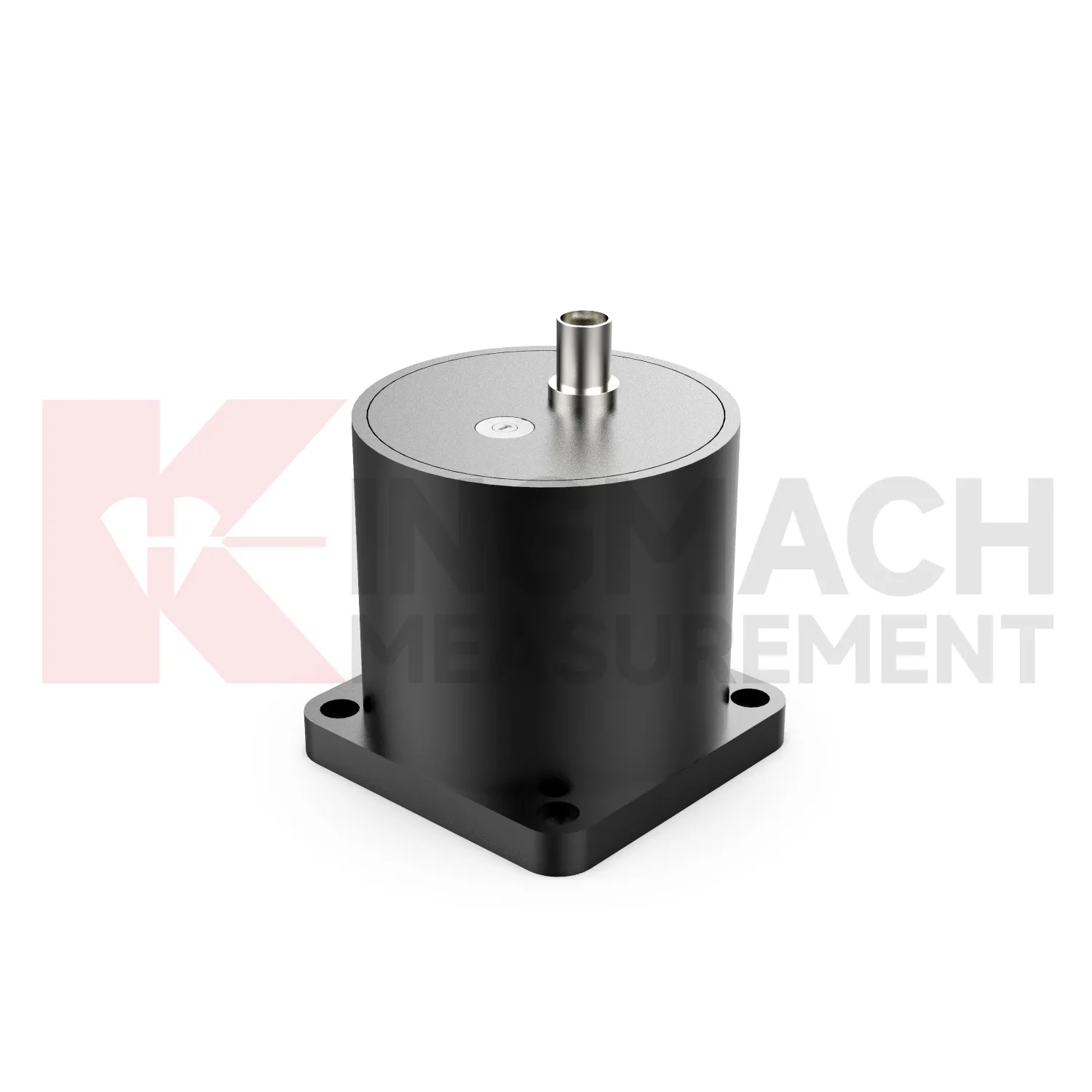
Application of Accelerometer(single-axis)
Integrated monitoring platforms use Kingmach Accelerometer(single-axis) as the dynamic response layer beside settlement, displacement, tilt, strain, load, and environmental records. A sudden vibration event can be understood better when other sensors show whether the structure also moved, strained, tilted, or experienced wind or temperature changes. Platform setup should define point names, axes, event tags, alarm review, and related channels. This prevents acceleration data from becoming isolated. Dynamic monitoring works best when it is connected to the wider story of the asset. During a review, the engineer should be able to see the event, the motion, the related structural response, and the inspection note in one workflow.
Platform integration should also separate raw traces from summary views. Engineers may need detailed waveforms and frequency behavior, while owners may need event time, affected asset, severity, and follow-up action. Both views should come from the same organized data chain.
Good platform setup reduces confusion during abnormal events. If channel names, axis labels, related sensors, and event tags are prepared before the alarm, the team can review the situation quickly instead of rebuilding context from scattered files. It also supports handover because a new reviewer can understand why the dynamic point exists and which other readings should be opened beside it.

The future of Accelerometer(single-axis)
Future Kingmach Accelerometer(single-axis) projects will connect dynamic records with other sensor layers. Acceleration should be reviewed beside strain, displacement, tilt, load, settlement, wind, temperature, and inspection notes. A vibration alarm means more when the engineer can see whether the structure also deflected, tilted, or experienced a known wind or traffic condition. This kind of data fusion will reduce false concern and help teams notice linked behavior. The sensor remains important, but the real gain comes from seeing the motion in context. Future platforms should make that context easy to view without hiding the raw record that engineers may need for detailed review.
Long-term monitoring benefits from repeatable procedure. When the same point, direction, event definition, and analysis method are preserved, new vibration records can be compared with earlier records in a defensible way.
The report should not leave the waveform isolated. It should explain what the asset was doing, why the point was measured, which event triggered interest, and what follow-up action or observation was made.
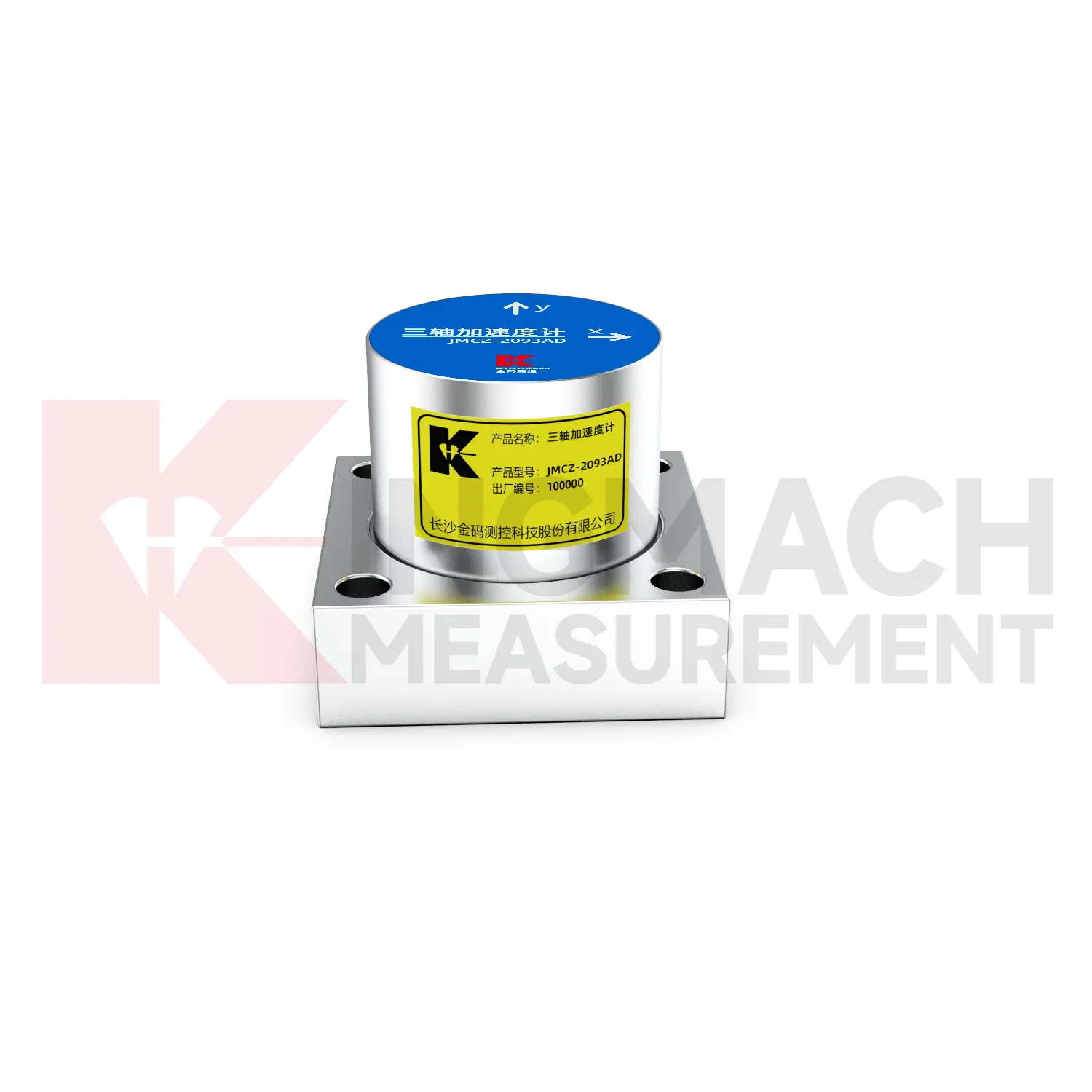
Care & Maintenance of Accelerometer(single-axis)
Replacement of Kingmach Accelerometer(single-axis) components should be visible in the monitoring record. When a sensor, cable, connector, bracket, acquisition channel, or software setting changes, record the date, reason, old point condition, new point condition, and first stable test. Do not hide replacement by forcing the new record to look continuous without explanation. Future reviewers need to know whether a change in vibration came from the structure or from maintenance. A clear replacement note protects the long-term data story. It also makes handover easier when a new team takes responsibility for the monitoring system.
Weak-vibration review should include nearby walking, wind, traffic, equipment start-up, and construction activity because these sources can influence the trace. People walking nearby, wind, traffic, equipment start-up, and construction work can all influence the trace, so the field note should capture what was happening around the point.
For high-risk assets, inspection timing should follow events as well as calendar dates. After impact, blasting, severe weather, unusual vibration, or equipment maintenance, the sensor and the data path both deserve a quick check.
Kingmach Accelerometer(single-axis)
Kingmach Accelerometer(single-axis) help engineering teams understand vibration risk rather than simply collect motion traces. In bridge, tunnel, building, railway, machinery, and ground-motion work, acceleration data shows how a structure moves when traffic, wind, machinery, blasting, earthquake activity, or cable vibration occurs. The useful result is not just a waveform; it is a record that shows frequency, response level, timing, and whether movement is repeating or changing. Dynamic monitoring is especially useful when movement is too quick for visual inspection or too subtle to judge by touch. When acceleration records are reviewed with inspection notes, environmental conditions, and related structural instruments, engineers can separate normal operating response from behavior that requires attention. This makes vibration measurement part of a practical safety and maintenance process.
For field teams, the record is strongest when the waveform is tied to a named event and a known physical point. The note should state what was operating, what changed on site, whether other instruments reacted, and whether the motion repeated under similar conditions.
FAQ
Q: What is event-based vibration monitoring?
A: It records motion during traffic, wind, blasting, impact, machine operation, earthquake activity, or other defined events.
Q: What makes a useful event record?
A: A useful record includes time, sensor location, axis direction, event type, nearby site condition, and related sensor behavior.
Q: How are building vibration records interpreted?
A: They are checked against equipment operation, traffic, construction work, occupancy notes, and structural observations.
Q: How are bridge vibration records interpreted?
A: They may be compared with cable behavior, traffic, wind, strain, displacement, and inspection results.
Q: What causes misleading vibration readings?
A: Loose mounting, cable noise, wrong channel names, poor grounding, local equipment, or missing event notes can mislead reviewers.
Long-term monitoring benefits from repeatable procedure. When the same point, direction, event definition, and analysis method are preserved, new vibration records can be compared with earlier records in a defensible way.
The report should not leave the waveform isolated. It should explain what the asset was doing, why the point was measured, which event triggered interest, and what follow-up action or observation was made.
Reviews
Michael Anderson
The strain gauges and load cells are extremely accurate and stable. They performed very well in our bridge monitoring project. Highly recommended!
David Wilson
We purchased displacement transducers and settlement sensors, and the quality exceeded our expectations. Easy installation and reliable performance.
Latest Inquiries
To protect the privacy of our buyers, only public service email domains like Gmail, Yahoo, and MSN will be displayed. Additionally, only a limited portion of the inquiry content will be shown.
Emma***@gmail.comCanada
Dear Sir/Madam, we are interested in displacement transducers and settlement sensors for a geotechni...
Sophia***@gmail.comUnited Kingdom
Good day, we need environmental monitoring sensors including temperature, humidity, and wind sensors...
Related product categories
- accelerometer data acquisition
- accelerometer for vibration measurement
- vibration accelerometer
- industrial accelerometer
- seismic accelerometer
- accelerometers for vibration monitoring
- accelerometer applications
- uses of accelerometers
- accelerometer sensor for vibration measurement
- accelerometer vibration measurement
- piezo accelerometer vibration measurement
- vibration sensor