
 EN
EN
 ar
ar bg
bg hr
hr cs
cs da
da nl
nl fi
fi fr
fr de
de el
el hi
hi it
it ko
ko no
no pl
pl pt
pt ro
ro ru
ru es
es sv
sv tl
tl iw
iw id
id lv
lv lt
lt sr
sr sk
sk sl
sl uk
uk vi
vi et
et hu
hu th
th tr
tr fa
fa ms
ms hy
hy ka
ka ur
ur bn
bn mn
mn ta
ta kk
kk uz
uz ku
ku
Sensor Cables
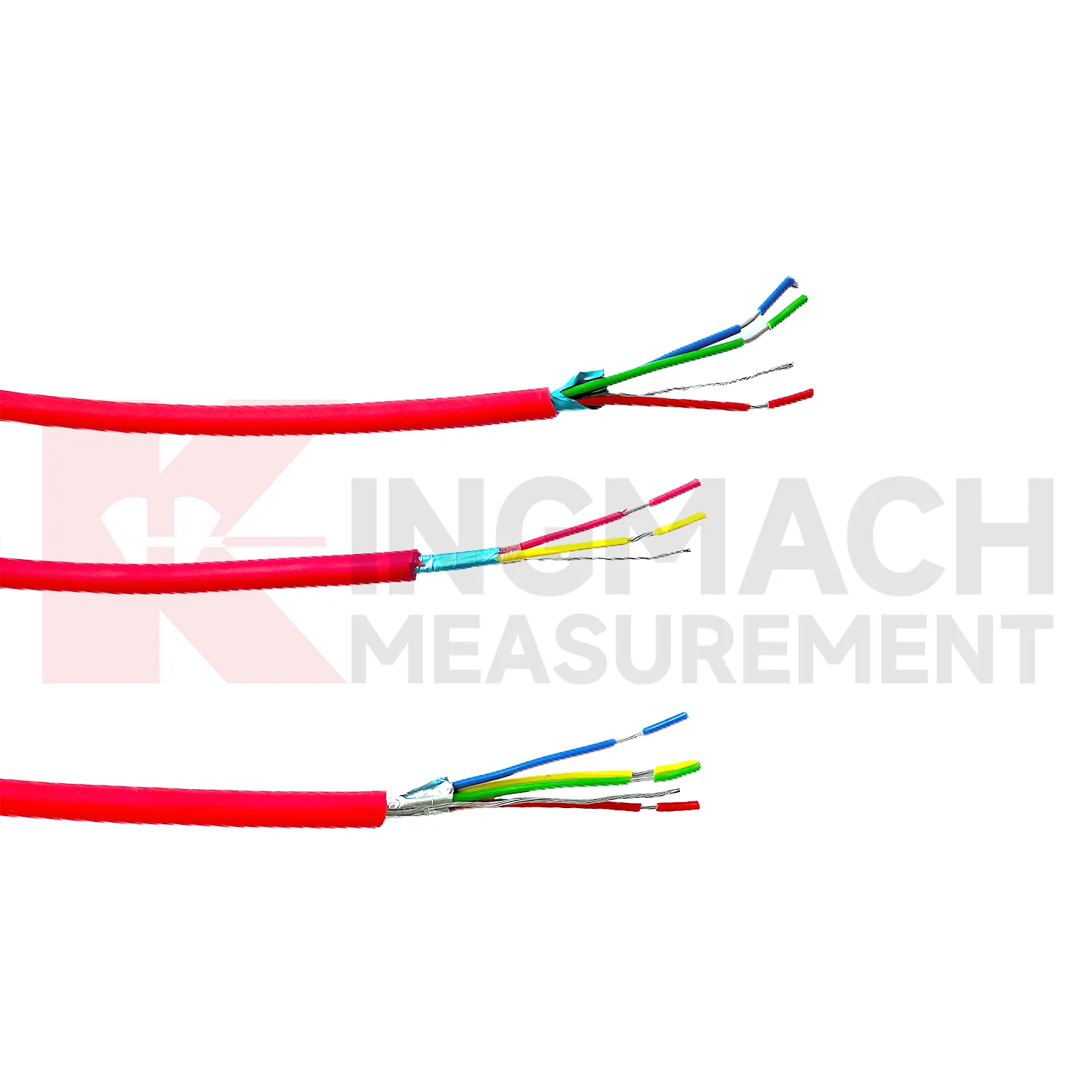
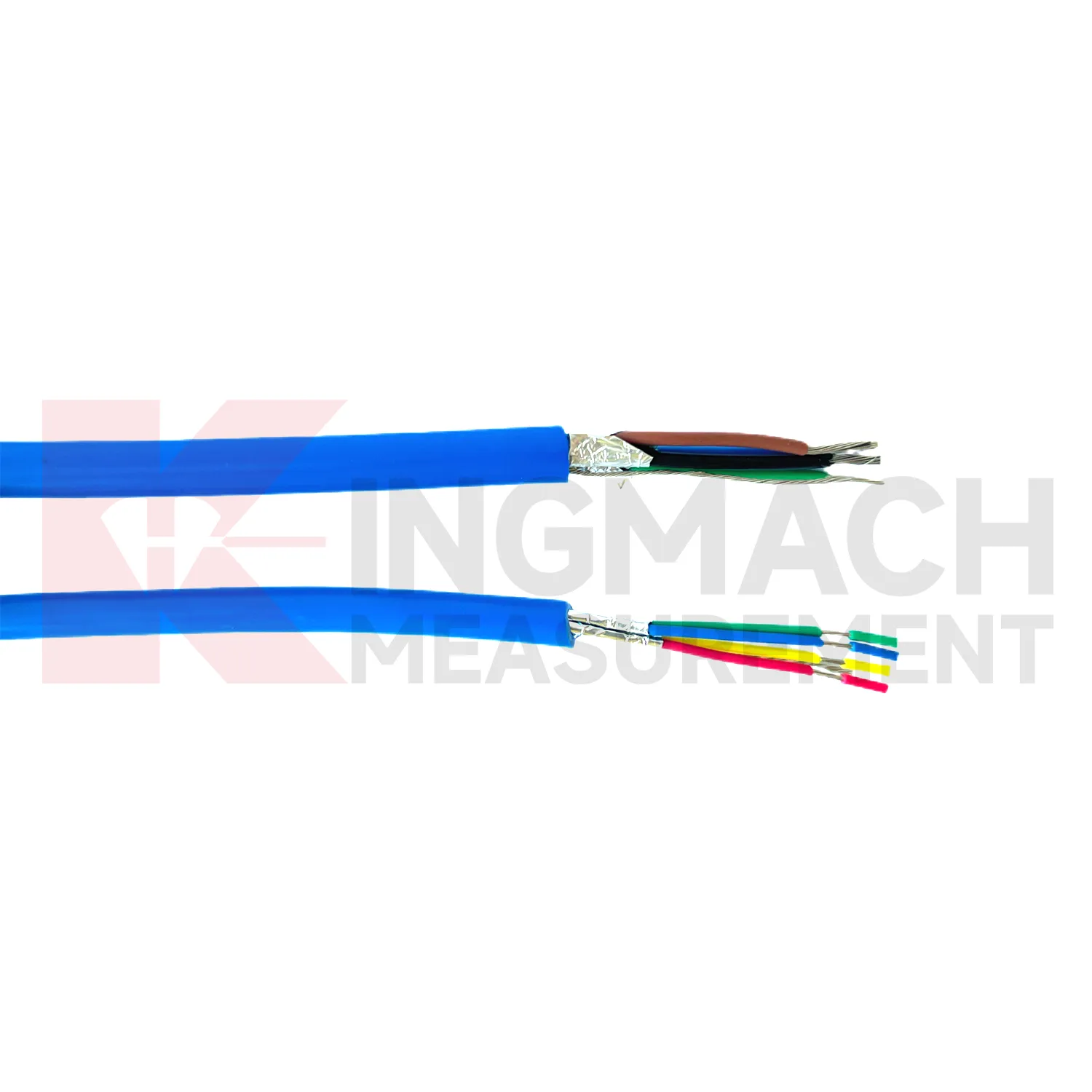
Kingmach Sensor Cables include test dedicated shielded wire JMZX-XPX and hydraulic cable JMZX-XSX. JMZX-XPX uses a composite shielding structure for anti-interference work where low-loss sensor signal transmission is needed. It is suited to precise monitoring signals in harsh environments, especially when nearby power equipment or construction activity may affect readings. JMZX-XSX is a special cable for hydraulic engineering, using multi-layer sealing and water-resistant insulation to support power and signal transmission in underwater or humid conditions. Both cables are part of Kingmach Measurement & Monitoring Technology's accessory range for structural monitoring instruments.
Application of Sensor Cables
Environmental monitoring stations use Kingmach Sensor Cables to connect rainfall, temperature, humidity, wind, water-level, and soil instruments with acquisition hardware. These stations often sit outdoors with daily temperature swings, rain, dust, and maintenance visits. Cable selection affects whether the station keeps transmitting usable data through seasonal conditions. Waterproof and moisture-proof cable behavior helps reduce field failures, while clear core assignment prevents mistakes during sensor replacement. This is especially useful when environmental readings are used to explain changes in structural or geotechnical sensors.
The future of Sensor Cables
Digital twin projects will use Kingmach Sensor Cables as part of the physical link between a real structure and its virtual record. A twin needs sensor data that can be traced back to known points, known channels, and known installation routes. Cable documentation will therefore become part of the model history, not merely a maintenance note. When a bridge, dam, tunnel, or building record changes, reviewers can check both structural behavior and cable condition before updating risk status or maintenance plans.
Care & Maintenance of Sensor Cables
Before installing Kingmach Sensor Cables, confirm the route, core count, cable model, wet exposure, interference sources, bending points, and cabinet entry method. JMZX-XPX is suitable when shielded signal transmission is the priority, while JMZX-XSX should be considered where hydraulic, humid, or underwater conditions add sealing and tensile demands. Do not let the final route be decided only after workers arrive on site. A short pre-installation review prevents cable shortages, wrong core use, poor conduit placement, and rushed terminations that later create unstable readings.
Kingmach Sensor Cables
Kingmach Sensor Cables should be treated as engineered components of the monitoring system. They connect physical instruments to data review, alarms, reports, and maintenance decisions. JMZX-XPX, with layered shielding for test use, supports accurate signal transmission in noisy or precise sensor applications. JMZX-XSX, with added waterproof and tensile properties, supports hydraulic engineering and humid field sections. Both product lines are available in two-core, three-core, four-core, six-core, seven-core, nine-core, and ten-core forms, with common delivery lengths of 2 m or 6 m depending on core count. Used with proper routing and documentation, they help keep structural monitoring data steady over long service periods.
FAQ
Q: What are Kingmach Sensor Cables used for?
A: They connect monitoring sensors, acquisition equipment, cabinets, and data recorders while helping protect signal transmission in demanding field environments.
Q: Which cable models are listed in this category?
A: The local product pages list test dedicated shielded wire JMZX-XPX and hydraulic cable JMZX-XSX.
Q: What is JMZX-XPX designed for?
A: It is a shielded test wire with composite shielding for low-loss sensor signal transmission and resistance to EMI and RFI.
Q: What is JMZX-XSX designed for?
A: It is a hydraulic engineering cable with multi-layer sealing and water-resistant insulation for humid, underwater, or wet routes.
Q: Where are these cables commonly applied?
A: They are used in bridges, tunnels, slopes, buildings, dams, foundation pits, railways, hydraulic works, and mixed monitoring systems.
Reviews
Matthew Garcia
Instrumentation cables are durable and perform well even in harsh environments. Will definitely order again.
Joshua Clark
We ordered a full monitoring solution including sensors and data loggers. Everything works seamlessly together. Great supplier!
Latest Inquiries
To protect the privacy of our buyers, only public service email domains like Gmail, Yahoo, and MSN will be displayed. Additionally, only a limited portion of the inquiry content will be shown.
Charlotte***@gmail.comUnited Arab Emirates
Hi, we require instrumentation cables suitable for harsh environments. Could you advise on specifica...
Amelia***@gmail.comSingapore
Hello, I am looking for visualization software for monitoring system data analysis. Please let me kn...
Related product categories
- Singlelayer Shielded Test Cable
- Multicore Shielded Test Cable
- 2core / 4core / 6core / 8core Hydrological Cable
- Corrosionresistant Hydrological Cable
- Shielded Hydrological Cable
- Multicore Hydrological Cable
- Data Transmission Cable
- Automated Equipment Test Cable
- Sensor Shielded Test Cable
- Motor Shielded Test Cable
- Signal Cables
- Test dedicated shielded wire