
 EN
 ar
 bg
 hr
 cs
 da
 nl
 fi
 fr
 de
 el
 hi
 it
 ko
 no
 pl
 pt
 ro
 ru
 es
 sv
 tl
 iw
 id
 lv
 lt
 sr
 sk
 sl
 uk
 vi
 et
 hu
 th
 tr
 fa
 ms
 hy
 ka
 ur
 bn
 mn
 ta
 kk
 uz
 ku

Sensor Shielded Test Cable
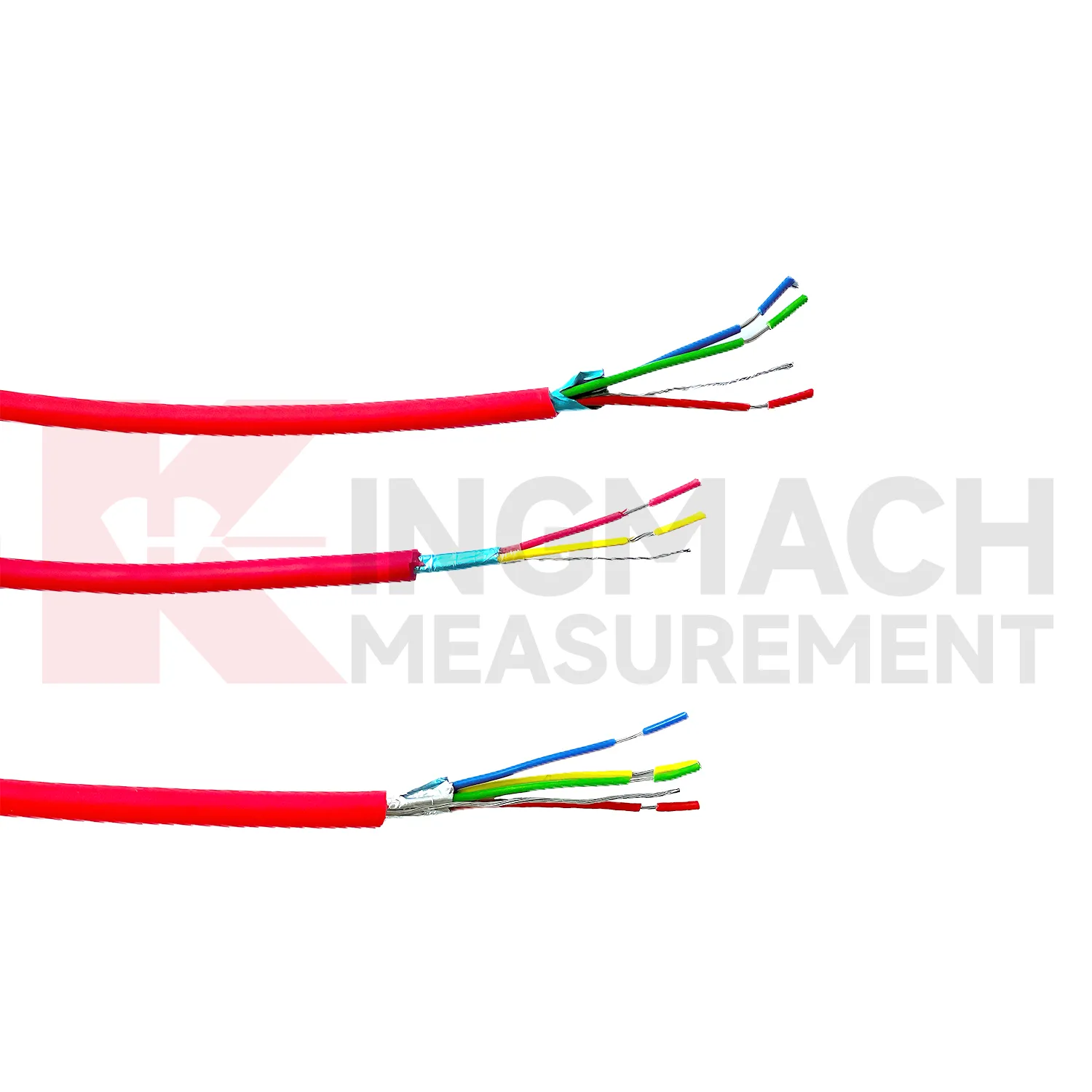
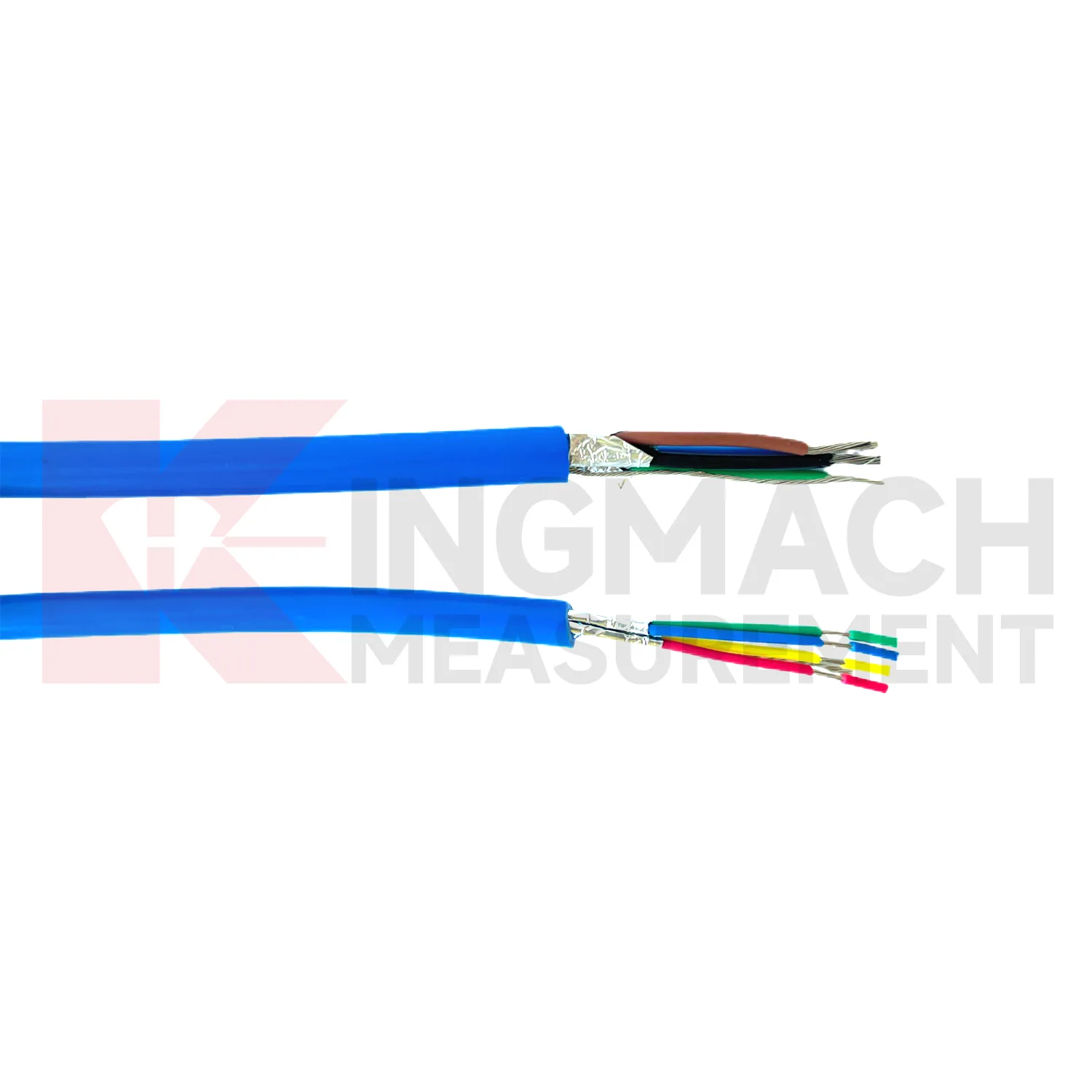
Kingmach Sensor Shielded Test Cable include test dedicated shielded wire JMZX-XPX and hydraulic cable JMZX-XSX. JMZX-XPX uses a composite shielding structure for anti-interference work where low-loss sensor signal transmission is needed. It is suited to precise monitoring signals in harsh environments, especially when nearby power equipment or construction activity may affect readings. JMZX-XSX is a special cable for hydraulic engineering, using multi-layer sealing and water-resistant insulation to support power and signal transmission in underwater or humid conditions. Both cables are part of Kingmach Measurement & Monitoring Technology's accessory range for structural monitoring instruments.
Application of Sensor Shielded Test Cable
Monitoring system upgrades use Kingmach Sensor Shielded Test Cable when old routes must be replaced, extended, or reorganized without losing traceability. A site may add new sensors, move cabinets, change data loggers, or repair damaged lines after years of service. Multi-core shielded and hydraulic cable options allow engineers to plan new routes around channel count, wet exposure, interference, and maintenance access. During upgrade work, recording old and new cable IDs, core assignments, and first stable readings prevents future reviewers from confusing a wiring change with a structural trend.
The future of Sensor Shielded Test Cable
More modular monitoring systems will make Kingmach Sensor Shielded Test Cable part of faster deployment work. Field teams may assemble sensor kits, acquisition boxes, and cable sets before arriving on site. Standard core formats and clear delivery lengths can reduce installation errors when time is limited. A pre-planned cable set also helps teams repeat a successful layout across similar bridges, pits, tunnels, or hydraulic structures. The result is a cleaner start-up process and fewer delays during commissioning.
Care & Maintenance of Sensor Shielded Test Cable
Keep a maintenance history for Kingmach Sensor Shielded Test Cable that includes route photos, repair dates, connector changes, cabinet work, water exposure, and any site activity near the cable. This history is useful when engineers review long-term data trends. A sudden change may come from a structural event, but it may also follow a cable repair, moved conduit, wet junction box, or changed channel assignment. Good records let the team separate those possibilities without repeated site visits.
Kingmach Sensor Shielded Test Cable
Kingmach Sensor Shielded Test Cable also matter during upgrades. Many projects begin with a small number of sensors, then expand when the owner adds new monitoring points or data review requirements. Cable compatibility and route documentation make that expansion easier. If the original cable records show model, core use, spare cores, delivery length, cabinet entry, and channel names, the next team can add or replace instruments with less disruption. Instrumentation cables are therefore part of the life-cycle plan for measurement systems, not only an accessory at installation. Proper cable selection can extend equipment service life and reduce operational failure rates across the whole network.
FAQ
Q: What should be checked before pulling cable?
A: Confirm the drawing route, conduit condition, bend radius, wet sections, nearby power equipment, and cabinet entry position.
Q: How should a shielded cable route be handled?
A: Keep it away from strong electrical sources where possible and maintain the intended shielding practice at termination.
Q: Why are cable ends important?
A: Open or poorly sealed ends can let moisture enter the route and create unstable readings long after installation.
Q: What commissioning signs suggest a cable issue?
A: Repeated spikes, channel dropouts, flatline data, or readings that change when nearby equipment starts can point to the route.
Q: Why keep installation photos?
A: Photos show route position, cabinet entry, labels, and later changes, which makes troubleshooting faster.
Reviews
Daniel Brown
Excellent environmental monitoring sensors. The data is consistent, and the system integrates smoothly with our existing setup.
Christopher Martinez
Very satisfied with the readouts & data loggers. User-friendly interface and supports multiple sensor inputs.
Latest Inquiries
To protect the privacy of our buyers, only public service email domains like Gmail, Yahoo, and MSN will be displayed. Additionally, only a limited portion of the inquiry content will be shown.
Emma***@gmail.comCanada
Dear Sir/Madam, we are interested in displacement transducers and settlement sensors for a geotechni...
Olivia***@gmail.comUnited States
Hello, we are currently sourcing high-precision strain gauges and load cells for a bridge monitoring...