
 EN
EN
 ar
ar bg
bg hr
hr cs
cs da
da nl
nl fi
fi fr
fr de
de el
el hi
hi it
it ko
ko no
no pl
pl pt
pt ro
ro ru
ru es
es sv
sv tl
tl iw
iw id
id lv
lv lt
lt sr
sr sk
sk sl
sl uk
uk vi
vi et
et hu
hu th
th tr
tr fa
fa ms
ms hy
hy ka
ka ur
ur bn
bn mn
mn ta
ta kk
kk uz
uz ku
ku
wireless inclinometer
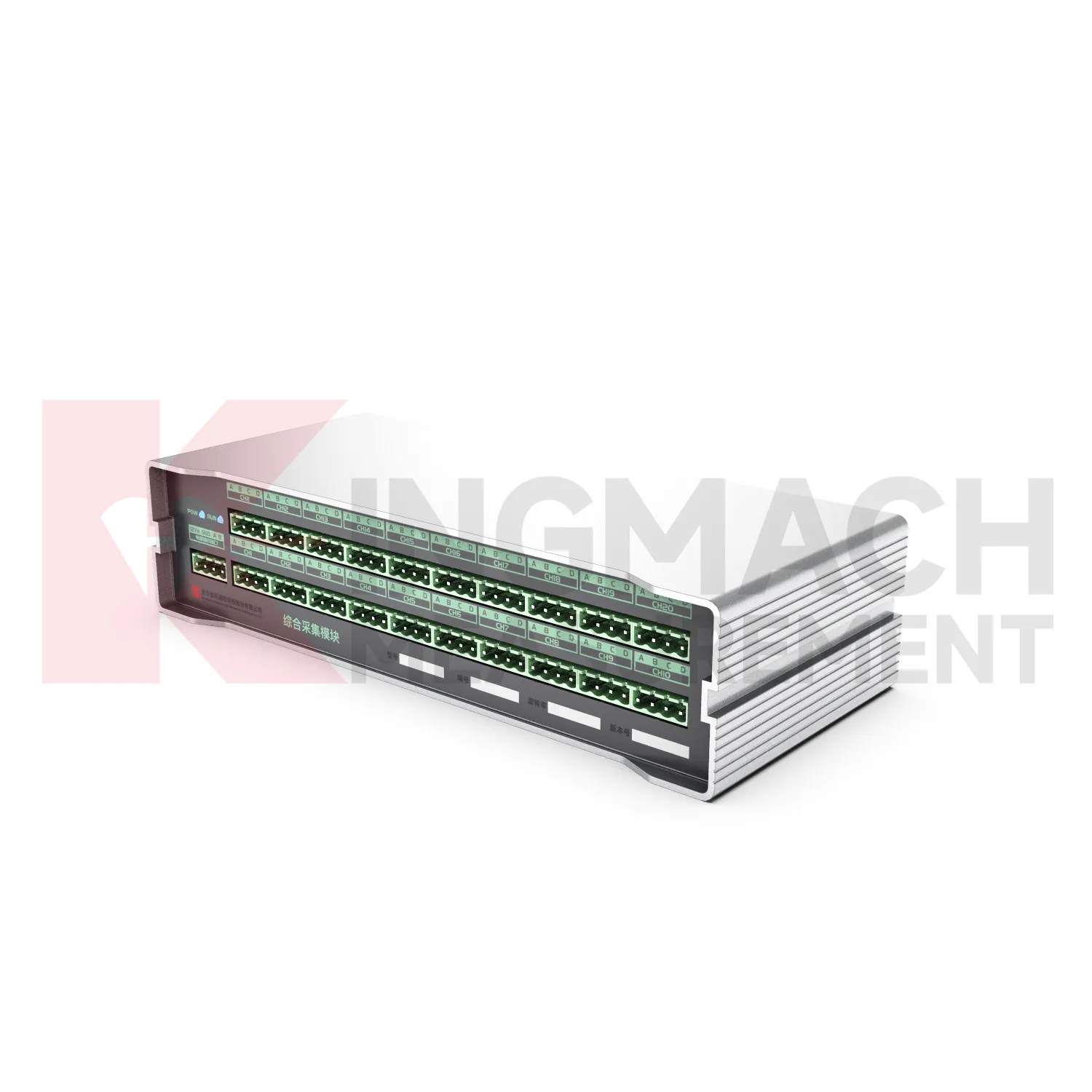
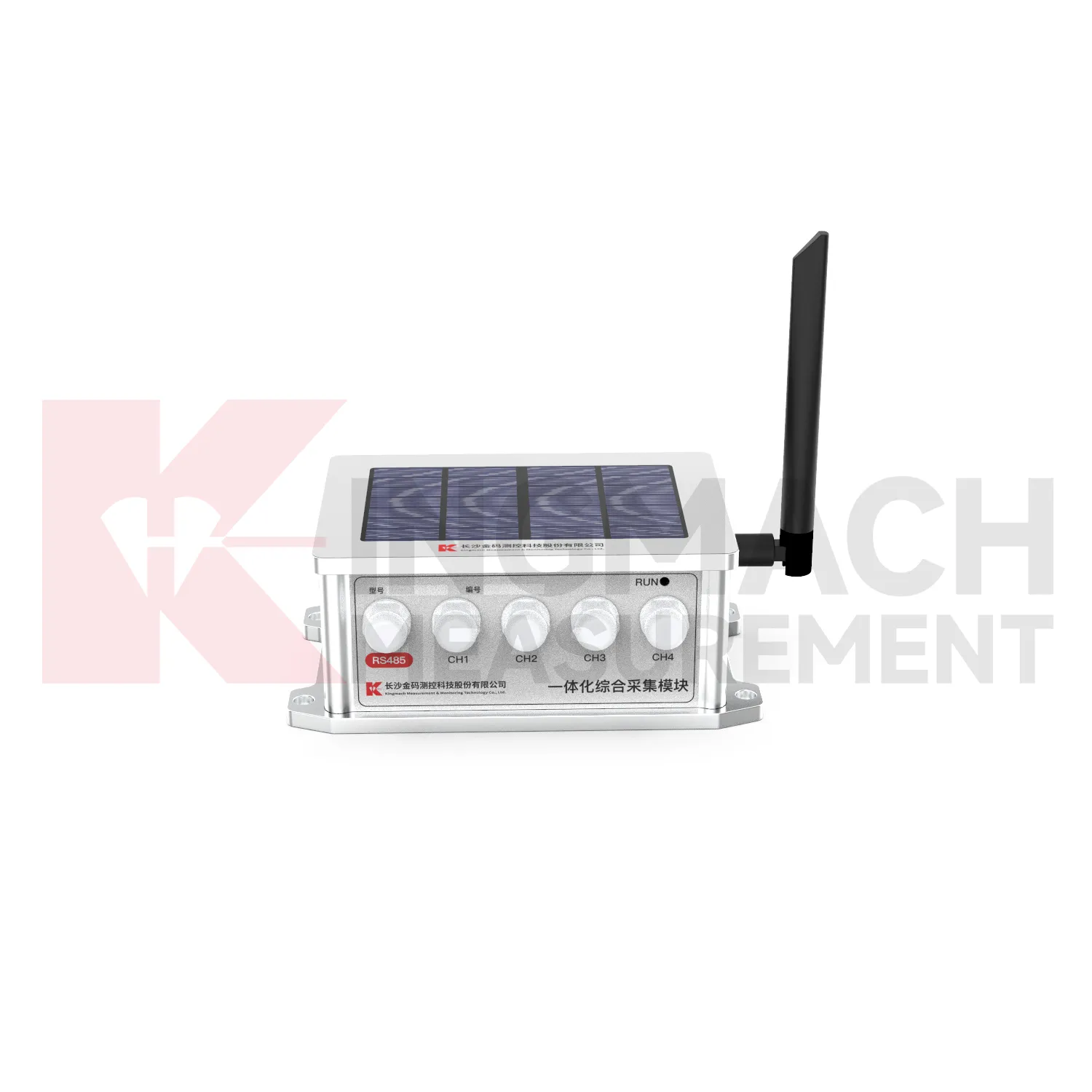
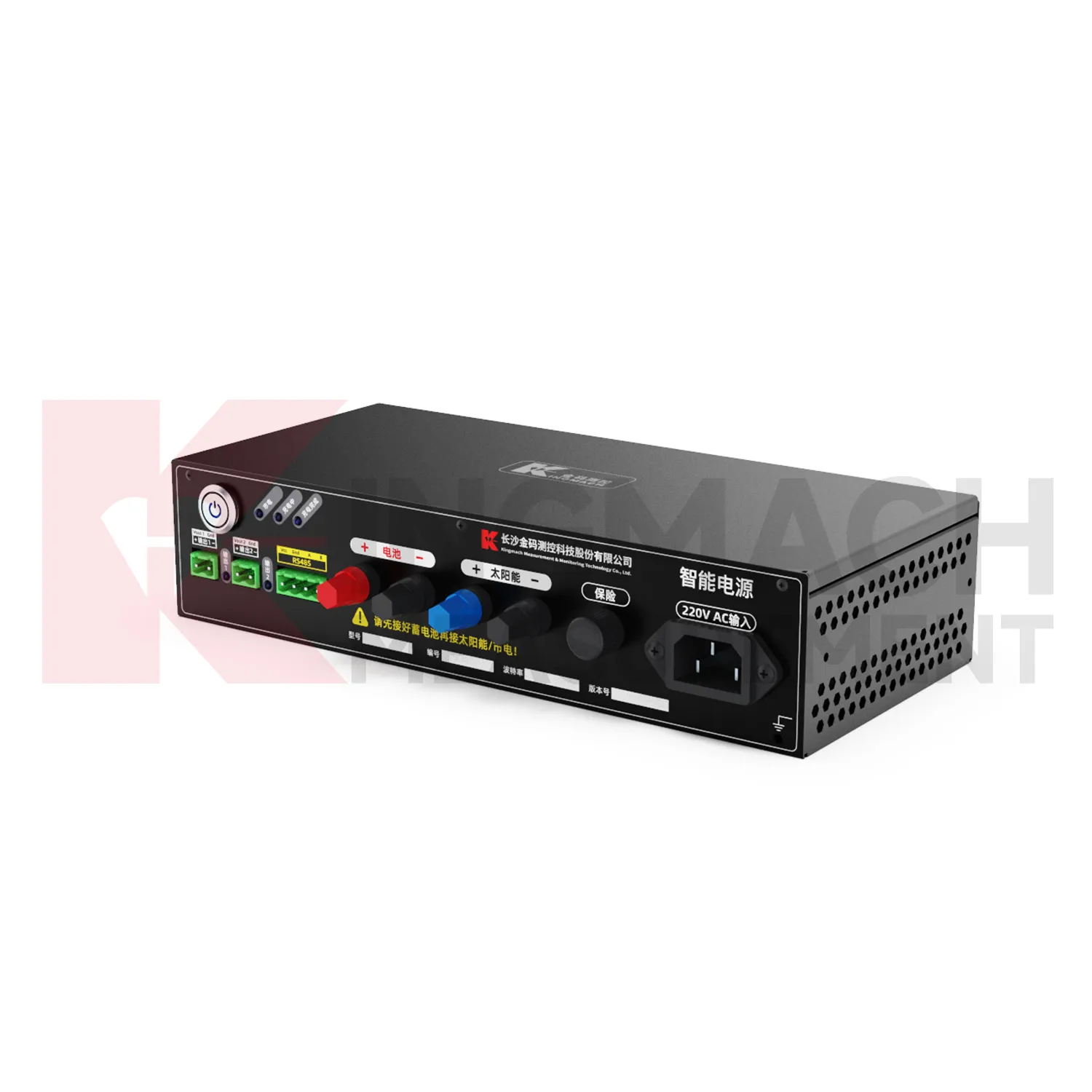
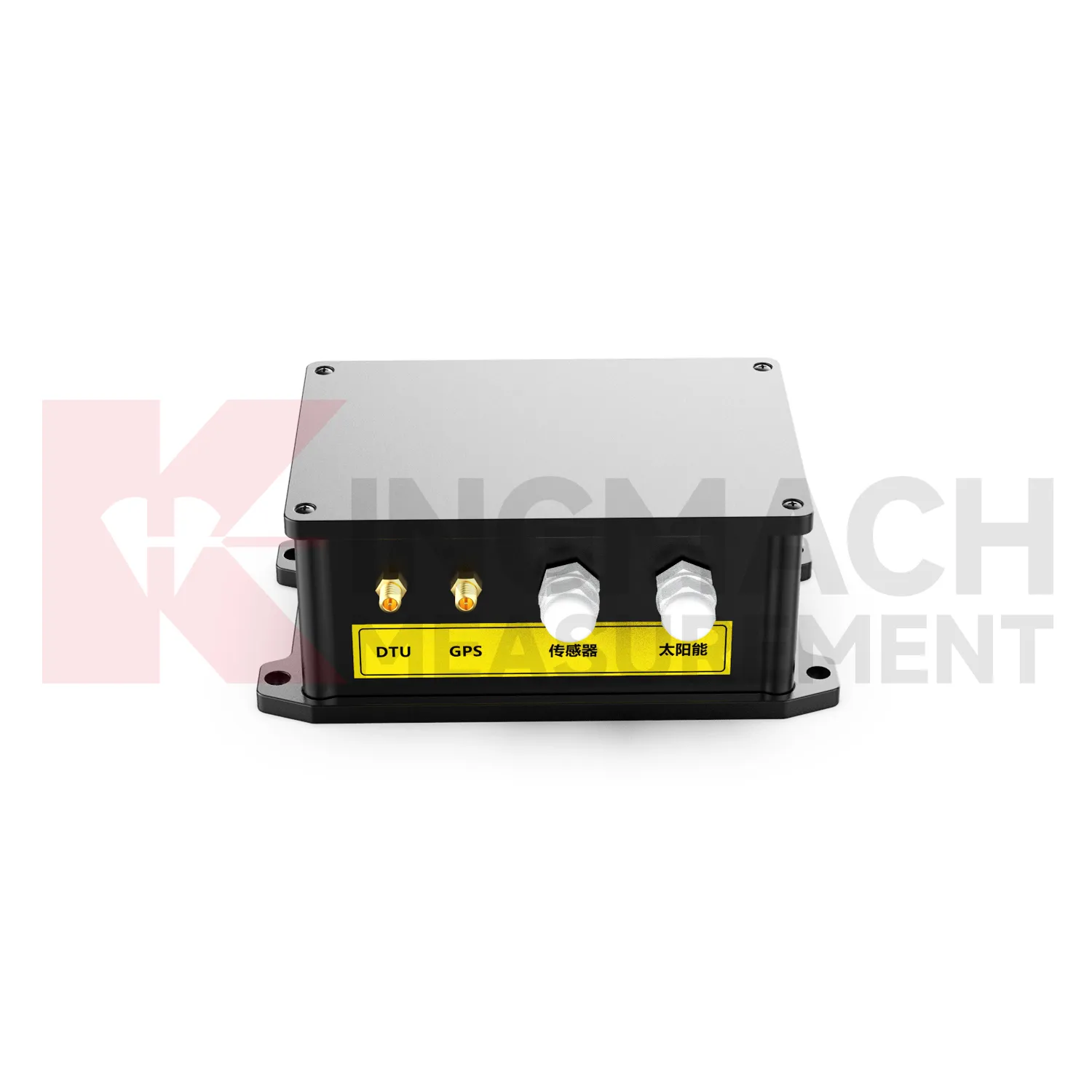
Kingmach wireless inclinometer are often selected when a project needs both confidence in individual sensors and organized data management. A sensor may be accurate, but the record can still become difficult to use if channels are mislabeled, upload intervals are unclear, or field notes are separated from values. Acquisition devices reduce that risk when they keep the measurement process disciplined. A readout can verify the point, a logger can continue collection, and a platform connection can support later review. This is important for dams, bridges, tunnels, slopes, buildings, mines, and civil structures where safety-related interpretation depends on a reliable time history. The device also helps teams detect management problems early. Missing intervals, repeated channel names, unexpected upload gaps, or values stored under the wrong point can weaken confidence even when the sensor is healthy. A disciplined acquisition setup gives each reading a clear origin and makes later review easier for engineers, owners, and maintenance teams. That discipline turns individual sensor signals into a usable project record. In long projects, this is important because construction teams, monitoring specialists, and asset managers may all handle the same data at different times. Clear acquisition discipline keeps their work connected. across project phases. and audits.
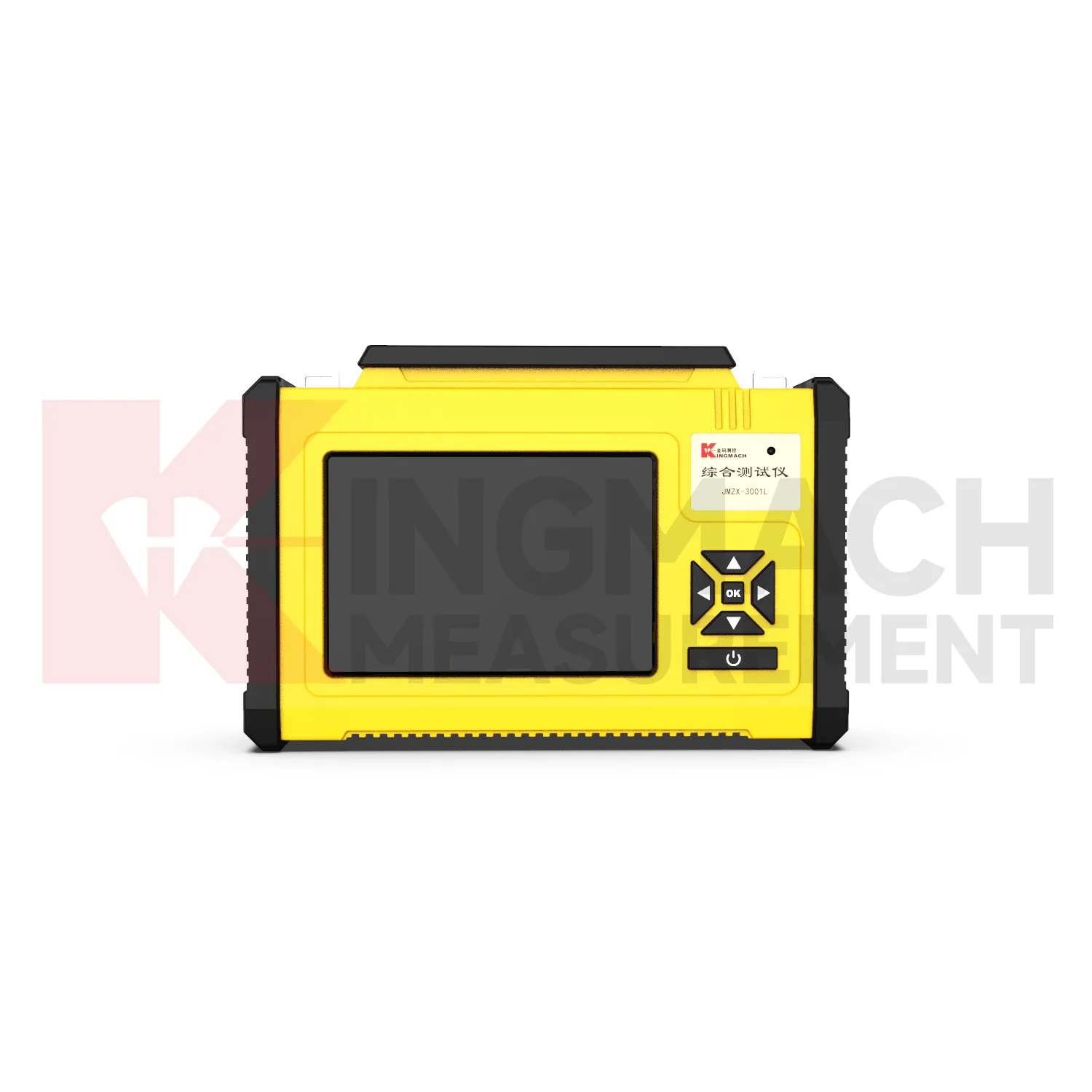
Application of wireless inclinometer
Slope and foundation pit monitoring uses Kingmach wireless inclinometer to keep displacement, load, pore pressure, rainfall, tilt, and structural response records organized. Field crews may use readouts to check sensors during excavation stages, anchor tensioning, drainage work, or inspection visits. Wireless loggers are useful when the site needs continuous records through rain, night shifts, or limited access periods. The acquisition interval should match the risk level and the construction stage. If excavation changes quickly, more frequent records may be needed; if the site is stable, routine intervals may be enough. A well-labeled data logger helps engineers compare changes with rainfall, excavation depth, support installation, and site photographs. In foundation pits, the monitoring record should follow construction sequence closely. Excavation depth, support installation, dewatering activity, anchor work, and heavy rainfall can all change the reading pattern. Acquisition equipment should help the team keep these events attached to the correct sensor group. This makes it easier to see whether a change belongs to construction progress, weather, support behavior, or a device issue. It also helps supervisors compare readings before and after excavation steps, temporary loading, rainfall response, and support adjustments without losing the site timeline. across the construction record. for later review. clearly.
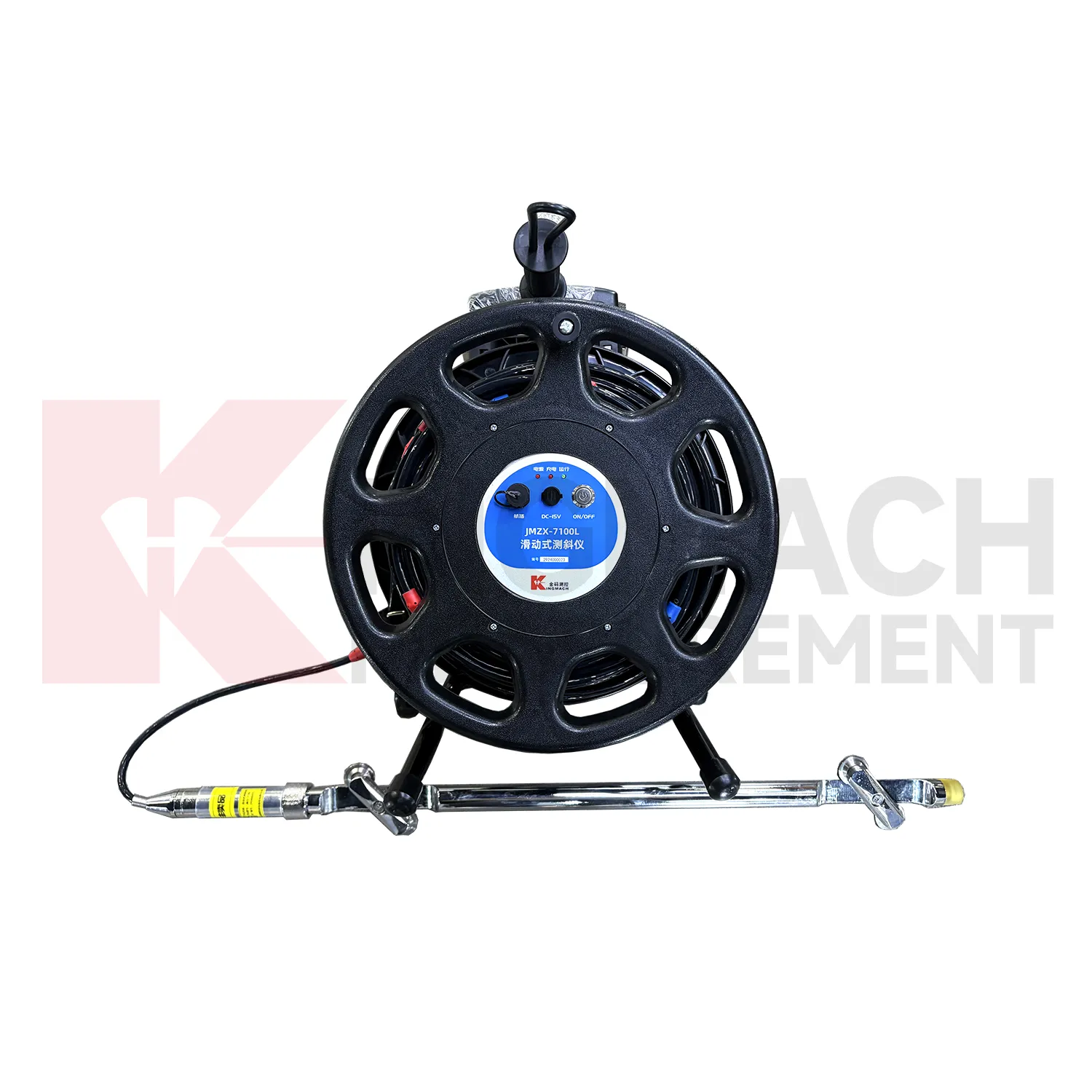
The future of wireless inclinometer
Future Kingmach wireless inclinometer will help owners manage mixed sensor networks. A single project may include vibrating wire sensors, digital bus instruments, temperature points, dynamic signals, environmental stations, and manual inspection notes. Future acquisition systems should make it easier to keep these records aligned by location, time, and engineering purpose. This will help reviewers understand relationships between movement, load, vibration, rainfall, temperature, and construction activity. A more organized data chain will make monitoring records easier to defend during operation, maintenance, and safety review. Mixed networks also need clearer grouping. Sensors that belong to a bridge pier, slope section, tunnel ring, or dam gallery should appear together in the acquisition history. When the system keeps related points connected, engineers can compare behavior across sensor types without losing the physical layout. That will make future reviews faster and more reliable. It also supports clearer reporting when owners review several assets in one program.
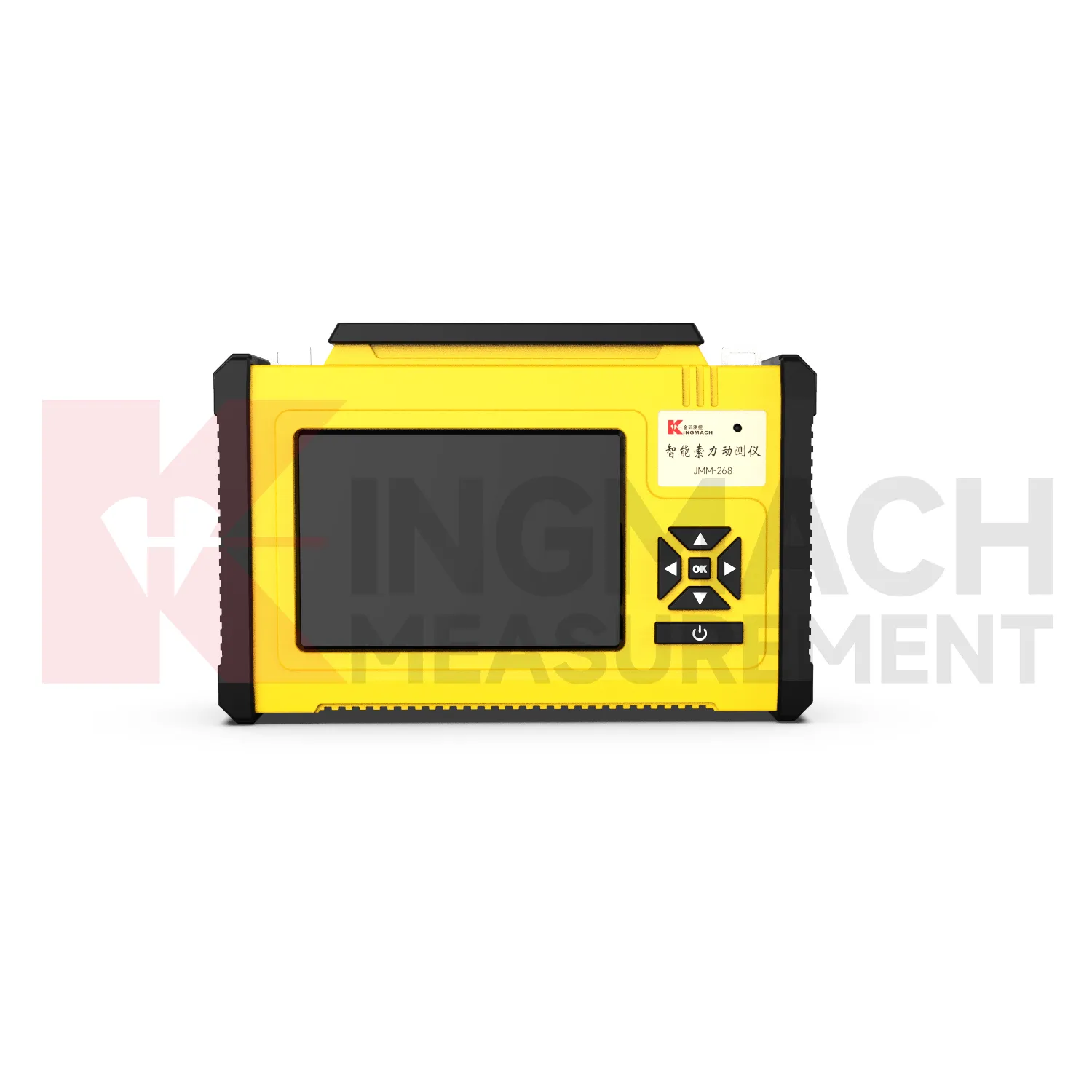
Care & Maintenance of wireless inclinometer
Enclosure care supports reliable Kingmach wireless inclinometer operation at remote stations. Data loggers may face rain, condensation, dust, insects, vibration, impact, or temperature changes. Maintenance staff should inspect cabinet seals, mounting hardware, cable entries, ventilation, drainage, and physical protection. If water entry or corrosion is found, the record should identify affected channels and the repair action. Enclosure notes are especially important when data gaps appear during storms or site works. A clean maintenance record helps reviewers decide whether the issue came from the structure, the sensor, or the acquisition device. Cabinet location should also be reviewed after construction changes. A box that was safe during installation may later be exposed to runoff, dust, vehicle movement, or unauthorized access. When enclosure condition is recorded with photos and repair notes, the next maintenance visit can focus on the real risk instead of starting from guesswork. and reduce repeated visits. safely. over time. clearly.
Kingmach wireless inclinometer
Kingmach wireless inclinometer help bridge the gap between measurement hardware and engineering decisions. Sensors create signals, but owners and contractors need records that can be reviewed, exported, compared, and explained. A readout may confirm installation quality during a short site visit. A wireless logger may keep recording through rain, night work, or restricted access. A dynamic acquisition unit may capture synchronized events that ordinary slow logging would miss. These roles are different, yet they share the same purpose: keeping sensor information traceable. The best acquisition plan defines power, channel count, communication method, storage duty, and data review before instruments are installed. Once those details are defined, the team can decide which device belongs at each point. A temporary test may need a portable unit, while a remote slope station may need low-power upload and local storage. Matching device role to monitoring purpose makes the record easier to trust. across the project lifecycle.
FAQ
Q: How should devices be maintained?
A: Maintain batteries, connectors, labels, cable routes, enclosures, communication settings, storage, and exported records according to site conditions.
Q: Why record setting changes?
A: A changed interval, communication method, channel name, or firmware state can affect later interpretation, so the date and reason should remain visible.
Q: Can data be reviewed remotely?
A: Wireless and platform-connected devices can support remote review when communication, power, upload settings, and channel identity are configured correctly.
Q: What makes long-term records useful?
A: Long-term records stay useful when baseline values, maintenance notes, device status, sensor locations, and normal behavior examples remain available.
Q: What should buyers ask suppliers?
A: Buyers should ask about sensor compatibility, channel capacity, power planning, storage, communication, export format, field protection, and after-sales support. The record stays useful when point names, channel labels, sensor type, measurement time, and field condition are kept together, because later reviewers can connect the number with the actual structure and inspection history.
Reviews
Daniel Brown
Excellent environmental monitoring sensors. The data is consistent, and the system integrates smoothly with our existing setup.
Christopher Martinez
Very satisfied with the readouts & data loggers. User-friendly interface and supports multiple sensor inputs.
Latest Inquiries
To protect the privacy of our buyers, only public service email domains like Gmail, Yahoo, and MSN will be displayed. Additionally, only a limited portion of the inquiry content will be shown.
Emma***@gmail.comCanada
Dear Sir/Madam, we are interested in displacement transducers and settlement sensors for a geotechni...
Amelia***@gmail.comSingapore
Hello, I am looking for visualization software for monitoring system data analysis. Please let me kn...
Related product categories
- temperature and humidity data loggers
- wireless data loggers
- digital data loggers
- portable data loggers
- wireless data loggers temperature and humidity
- wireless temperature data loggers
- vibration data loggers
- water level data loggers
- water pressure data loggers
- gps data loggers
- real time data loggers
- remote data loggers