
 EN
EN
 ar
ar bg
bg hr
hr cs
cs da
da nl
nl fi
fi fr
fr de
de el
el hi
hi it
it ko
ko no
no pl
pl pt
pt ro
ro ru
ru es
es sv
sv tl
tl iw
iw id
id lv
lv lt
lt sr
sr sk
sk sl
sl uk
uk vi
vi et
et hu
hu th
th tr
tr fa
fa ms
ms hy
hy ka
ka ur
ur bn
bn mn
mn ta
ta kk
kk uz
uz ku
ku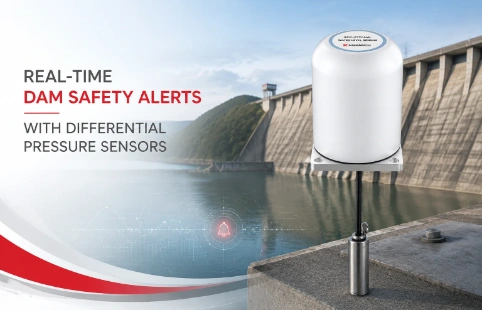
Real-Time Dam Safety Alerts with Differential Pressure Water Level Sensors
Key Takeaways An alert chain needs more than a sensor: define field in...

Kingmach Cable Force Sensors: Precision in Tension Measurement
Measuring tension in cables, anchor rods, or tiebacks is a routine but critical task for geotechnical and structural monitoring. A cable force sensor turns that mechanical pull into a reliable electrical signal, so you can track load changes over time or verify design assumptions. Kingmach builds these sensors for mid-scale projects—not the cheapest, but engineered to hold up in damp boreholes, noisy construction sites, and long-term installations where drift matters. We keep a range of standard capacities and sizes, and we can adjust mounting threads, cable length, or output type when the job calls for it. This page covers what you should expect from a workhorse cable force sensor and how to integrate it into a monitoring plan.
Technical Detail
A cable force sensor from Kingmach is essentially a tension load cell configured for inline force measurement. It gets placed between an anchored cable and its bearing plate, or spliced into a tension member with suitable end fittings. As load is applied, the internal strain gauge bridge produces a millivolt or amplified signal proportional to the force. Most sensors leave our shop with 2 mV/V output, but we can incorporate a 4-20 mA transmitter, RS485, or wireless adapters for remote reading. Standard units use heat-treated alloy steel with an IP67 rating, which handles occasional submersion and fine-particle dust without issues. For coastal or chemically active environments, we recommend the optional stainless-steel body and fully potted electronics. Capacities start at 50 kN and run up to 5000 kN, covering tower stay cables, dam anchor loads, and tieback testing. The calibration certificate ships with every sensor and includes both tension and, where applicable, compression data. Installation is straightforward: align the mounting surface, torque the collar evenly, and feed the cable into a datalogger or readout unit. Because these are passive sensors with no moving parts, long-term drift is minimal, provided the electrical connections are sealed. Kingmach also supplies compatible dataloggers and junction boxes, so you avoid piecing together components from different sources. We build to order from our facility, supporting typical lead times of two to three weeks. Custom adaptations—non‑standard threads, different cable glands, or special ranges—are common. If you are dealing with an existing monitoring setup, we can often match pin‑outs and form factors to avoid rebuilding the interface. Every sensor goes through a multi‑point loading cycle before shipping, and the test report is included in the box. For planning, consider whether you need a centering or spherical bearing arrangement to minimize eccentric loading. Our technical team can advise on mounting configuration based on site constraints. After-sales support covers troubleshooting, recalibration, and spare parts for the life of the product.
News
Key Takeaways An alert chain needs more than a sensor: define field in...
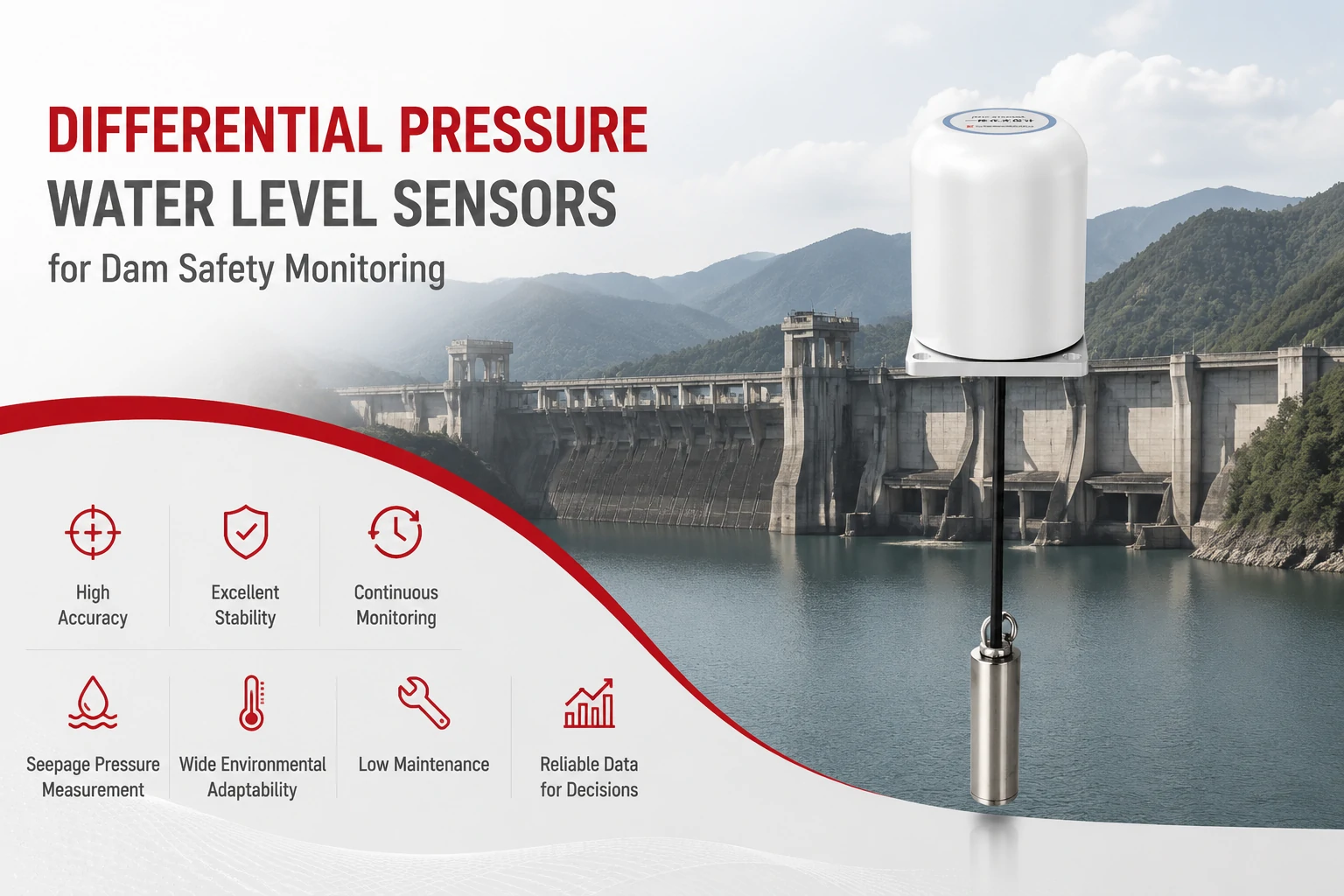
Key Takeaways The strongest fit is usually a confined, submerged, or s...
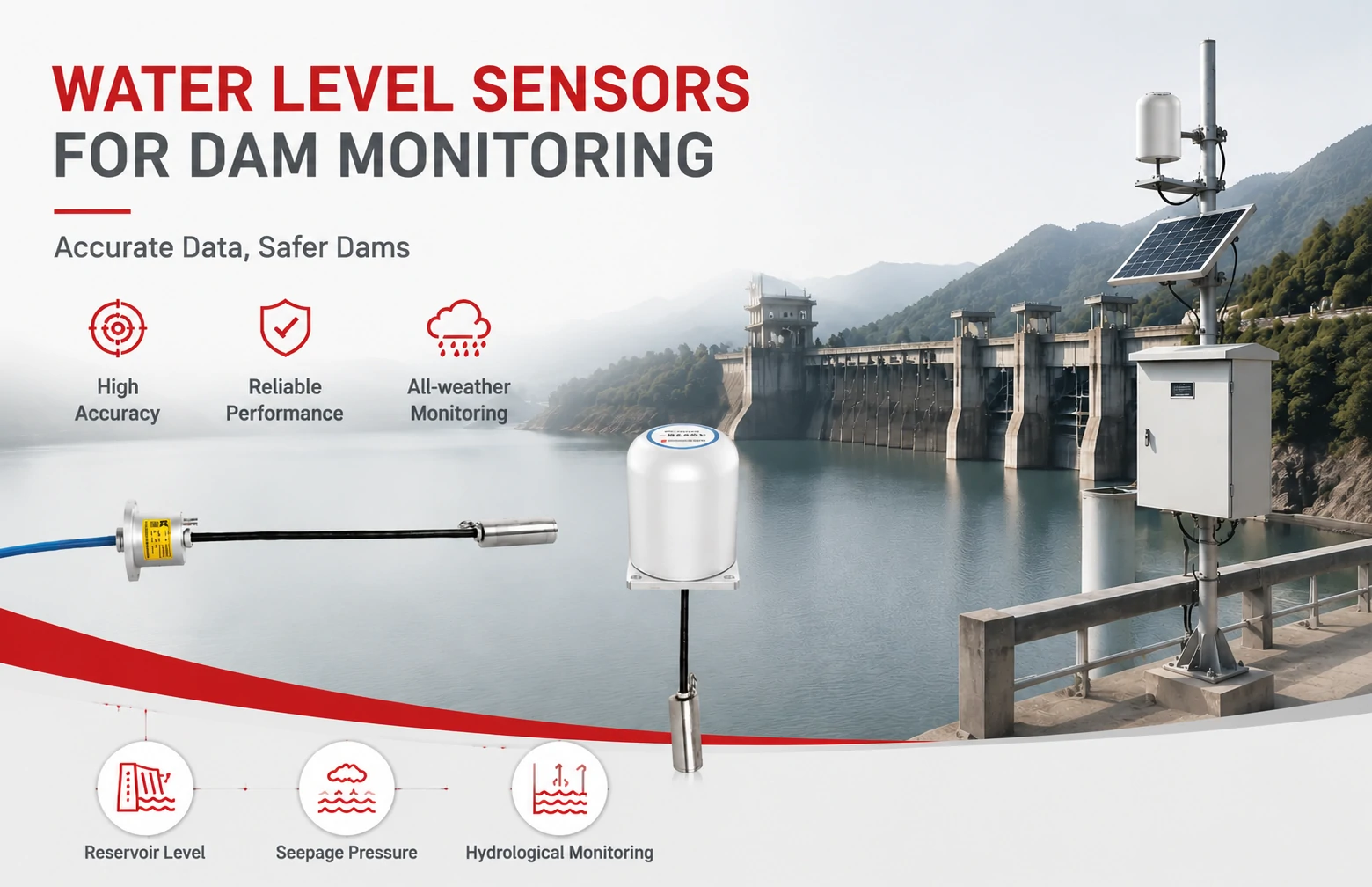
Kingmach Water Level Sensors for Dam Monitoring: A Buyer's Guide to Differential Pre...
Products
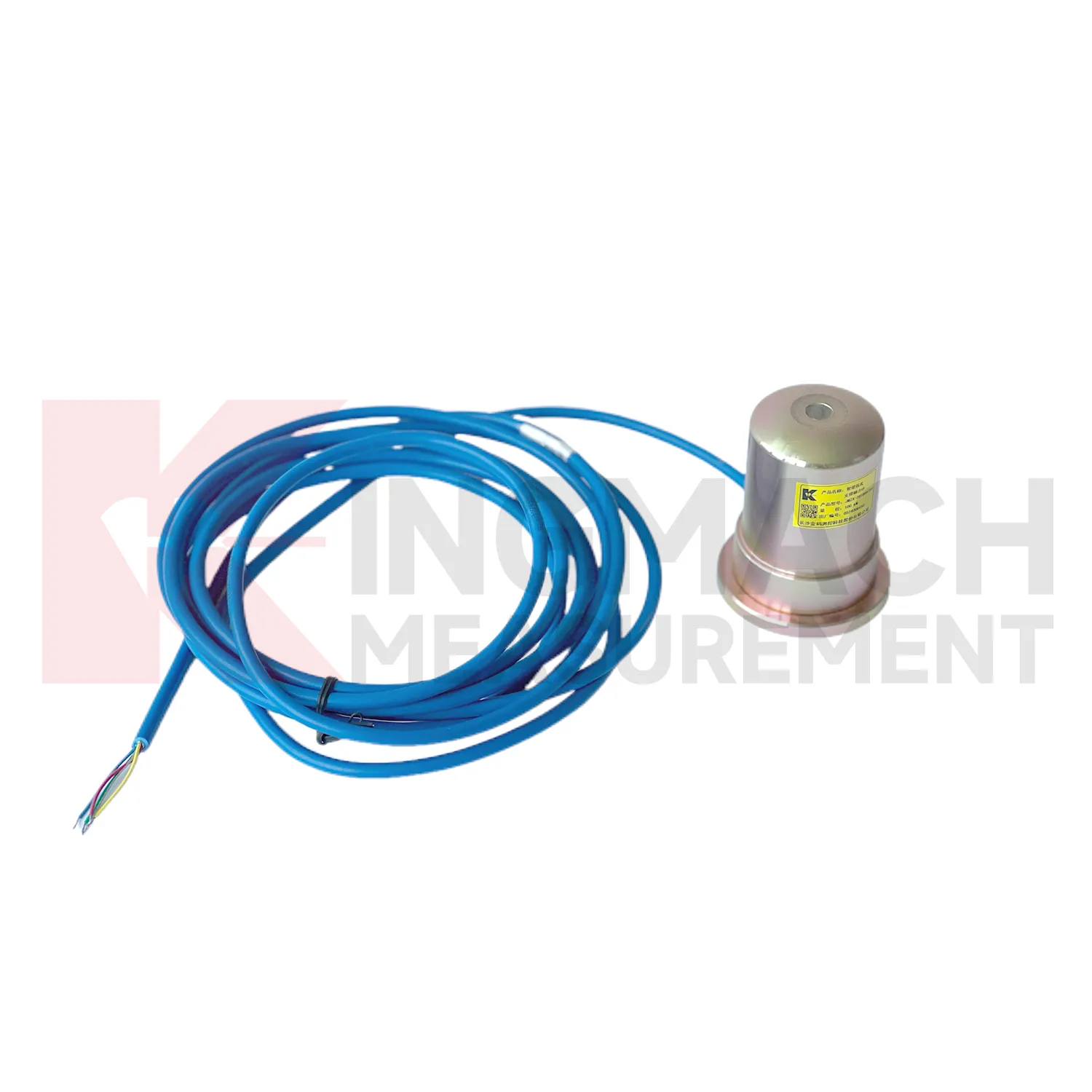
Smart Vibrating Wire PiezometerSmart Piezometers (VW) JMZX-55XXHAT
View Details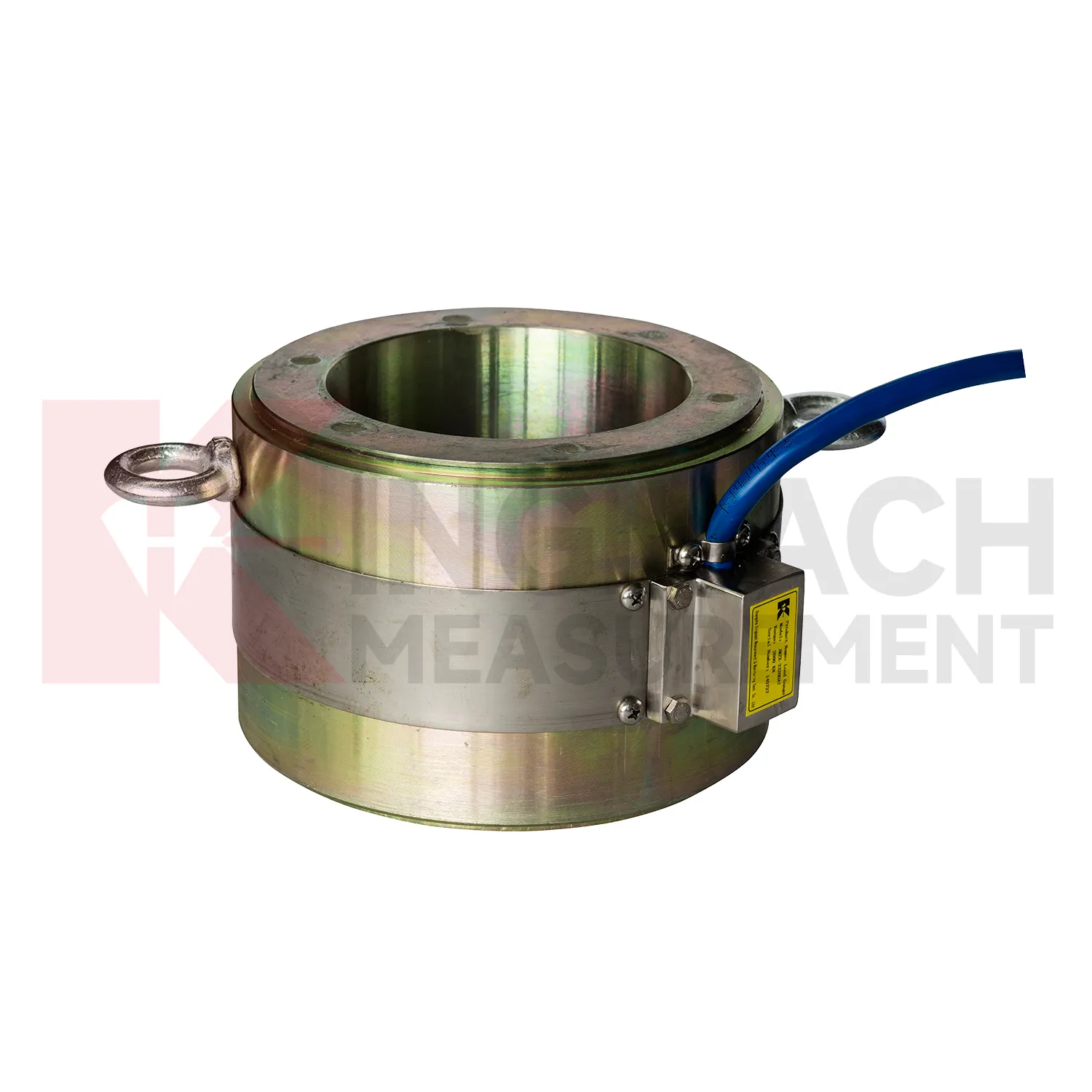
Smart Formwork Axial Force Meter(VW)JMZX-39XXHAT
View DetailsFAQ
Look at the maximum working load and add a safety factor—usually 1.5 to 2 times the design load. If the cable can see occasional spikes, like during tensioning or wind gusts, pick a sensor whose full‑scale capacity covers those peaks. Kingmach offers capacities from 50 kN up to 5000 kN, and we can help chart expected loads against the sensor’s output curve to avoid clipping or under‑utilization.
Standard output is a 2 mV/V strain gauge bridge. On request, we integrate internal amplification to give 4‑20 mA current loop, 0‑5 V, or RS485 digital output. For wireless monitoring, we supply a companion node that reads the mV signal and transmits via LoRa or GPRS. Specify the required interface when inquiring.
Yes. Once installed, they are passive and draw no power (unless amplified). The IP67 seal protects against moisture and fine dust. We recommend applying a secondary sealant on the cable entry and using a desiccant‑vented junction box. Barring lightning or physical damage, they will run for years without drift recalibration.
Simple changes—like a different connector or thread—add about a week to the build schedule. More involved adaptations, such as a custom flange or special material certification, may add two to three weeks. It is best to involve us early in the planning stage so we can align production with your installation timeline.
The sensor itself has a slight mechanical overload margin (typically 150% of rated capacity). However, for dynamic loading from wind or traffic, we suggest adding a mechanical stop arrangement externally. Our application engineers can review your setup and recommend a protection scheme.
Share your product type, target capacity, and application requirements. Our team can review the details and recommend a practical next step.
If you are interested in our products or want to become our partner.
Please leave your contact information, our team will contact you as soon as possible.
Mail: [email protected]
Contact Us: +8613808434127
Address: No. 188 Tongzipo West Rd, Changsha, Hunan, China