
 EN
EN
 ar
ar bg
bg hr
hr cs
cs da
da nl
nl fi
fi fr
fr de
de el
el hi
hi it
it ko
ko no
no pl
pl pt
pt ro
ro ru
ru es
es sv
sv tl
tl iw
iw id
id lv
lv lt
lt sr
sr sk
sk sl
sl uk
uk vi
vi et
et hu
hu th
th tr
tr fa
fa ms
ms hy
hy ka
ka ur
ur bn
bn mn
mn ta
ta kk
kk uz
uz ku
ku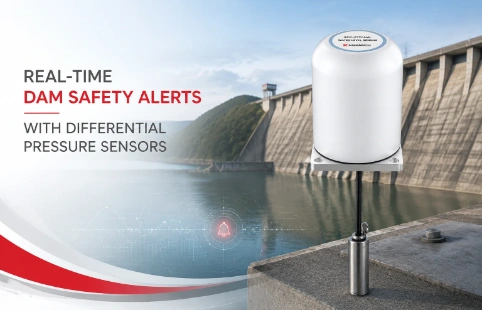
Real-Time Dam Safety Alerts with Differential Pressure Water Level Sensors
Key Takeaways An alert chain needs more than a sensor: define field in...

Temperature Compensation Module for Geotechnical Sensors
A surprising amount of geotechnical data gets compromised not by sensor failure, but by something simpler: temperature shifts underground. When strain gauges or piezometers warm up a few degrees, their raw output can drift enough to mimic ground movement or pressure change. On a dam or a deep excavation, that kind of false trend can trigger unnecessary alarms or mask real problems. The straightforward fix is to integrate a temperature compensation module right into the measurement chain, and that's what Kingmach provides. It's a small inline device that reads the sensor's primary output along with a co-located temperature sensor, then applies the right correction before the data ever hits your logger. No extra processing, no separate temperature channels to track. For sites where seasonal swings or daily cycles matter, this means cleaner data from day one, and less time spent later trying to sort out thermal artifacts from actual events.
Technical Detail
Kingmach's temperature compensation module is purpose-built for long-term monitoring where ambient temperature changes can't be ignored. It sits between the sensor and the data acquisition system, and most units accept both vibrating wire and resistive sensor types. Inside, the module uses a precision thermistor or RTD to read local temperature, then applies a correction algorithm—typically a polynomial curve or a segmented lookup table stored in non-volatile memory. The corrected output is what your logger sees, but raw uncompensated data is often available on a secondary channel for auditing. From a specification standpoint, engineers usually expect a compensation range of -20°C to 80°C with stability around 0.1°C repeatability, and that's what this module delivers. Power draw is kept deliberately low—often under 1 mA in active mode—so it won't drain remote battery stations. An IP67-rated inline housing with screw terminals makes field wiring quick, and Kingmach stocks common connector variants or can integrate customer-specific connectors through their customization service. One thing that sets their approach apart is how they handle non-standard sensors. If you have an older inclinometer or a custom pressure cell with an unusual thermal curve, their engineering team can load a unique compensation profile before shipping. It saves you from building your own lookup logic in the datalogger or SCADA system. For project managers, the main payoff is fewer false positives in automated alarm thresholds and more confidence in settlement or water level trends that span seasons. Maintenance is minimal: a seal check every couple of years and verifying the compensation doesn't drift beyond your QA limits. In dense sensor arrays, the module's small footprint helps keep cable clutter manageable.
News
Key Takeaways An alert chain needs more than a sensor: define field in...
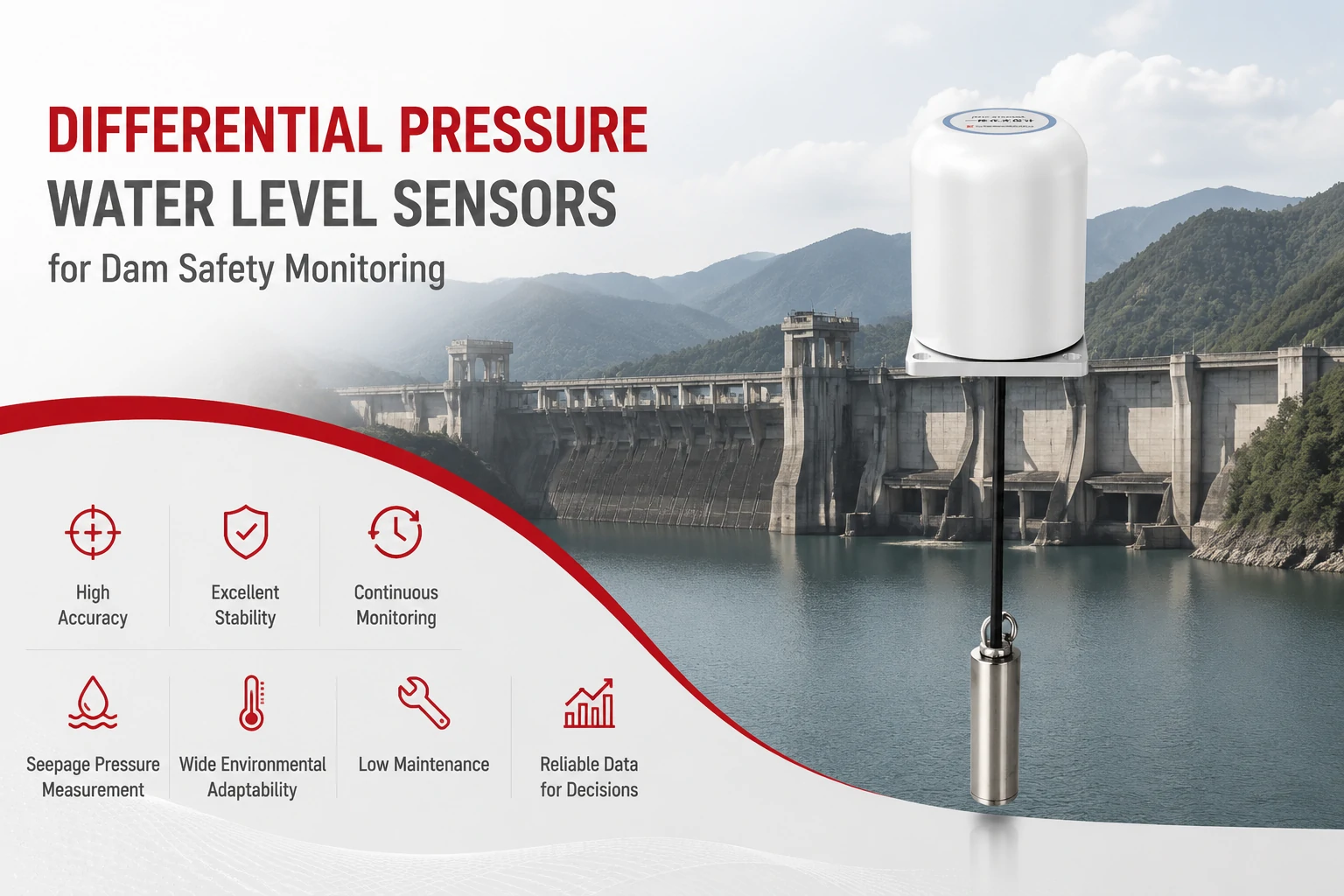
Key Takeaways The strongest fit is usually a confined, submerged, or s...
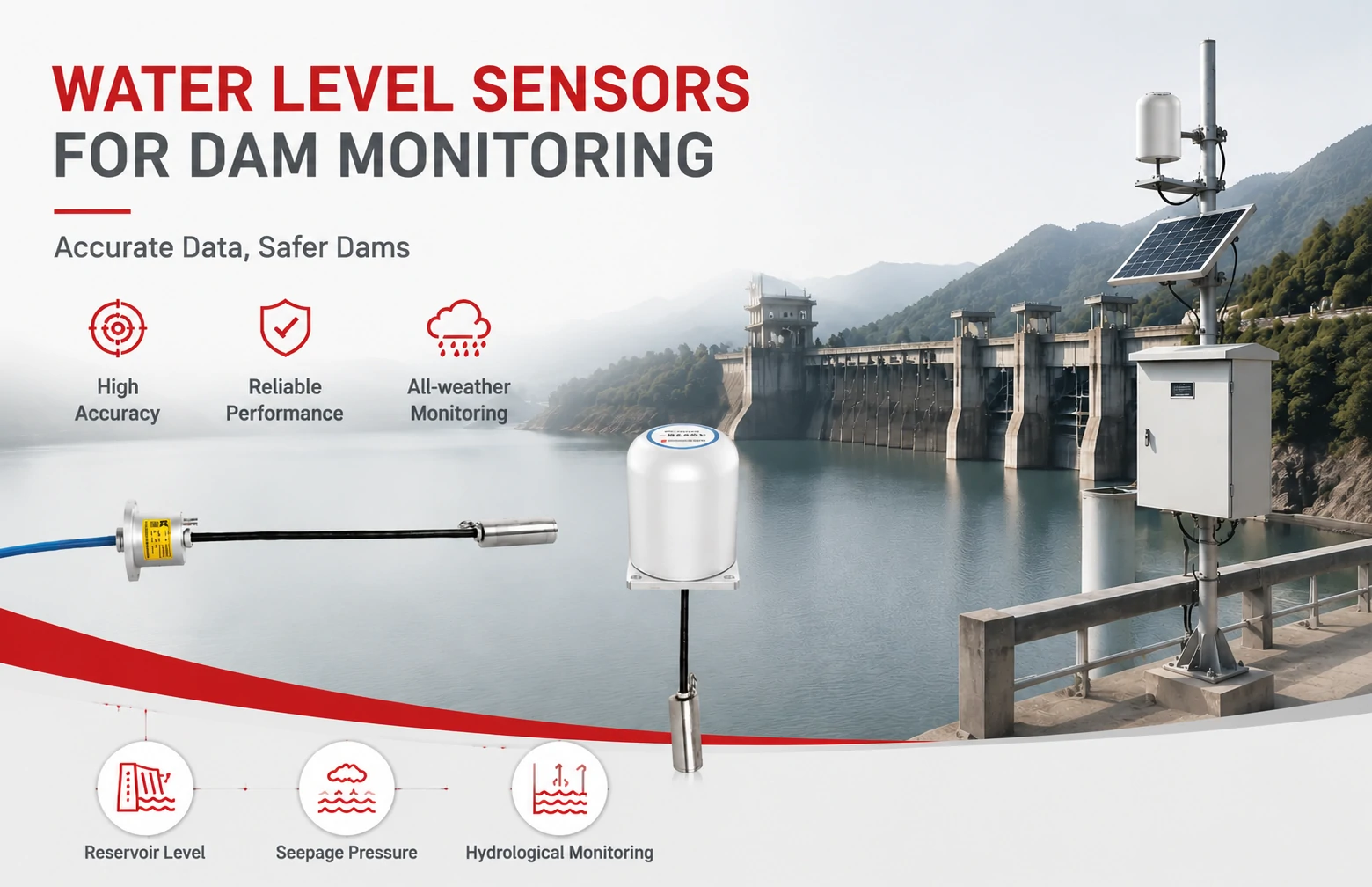
Kingmach Water Level Sensors for Dam Monitoring: A Buyer's Guide to Differential Pre...
Products
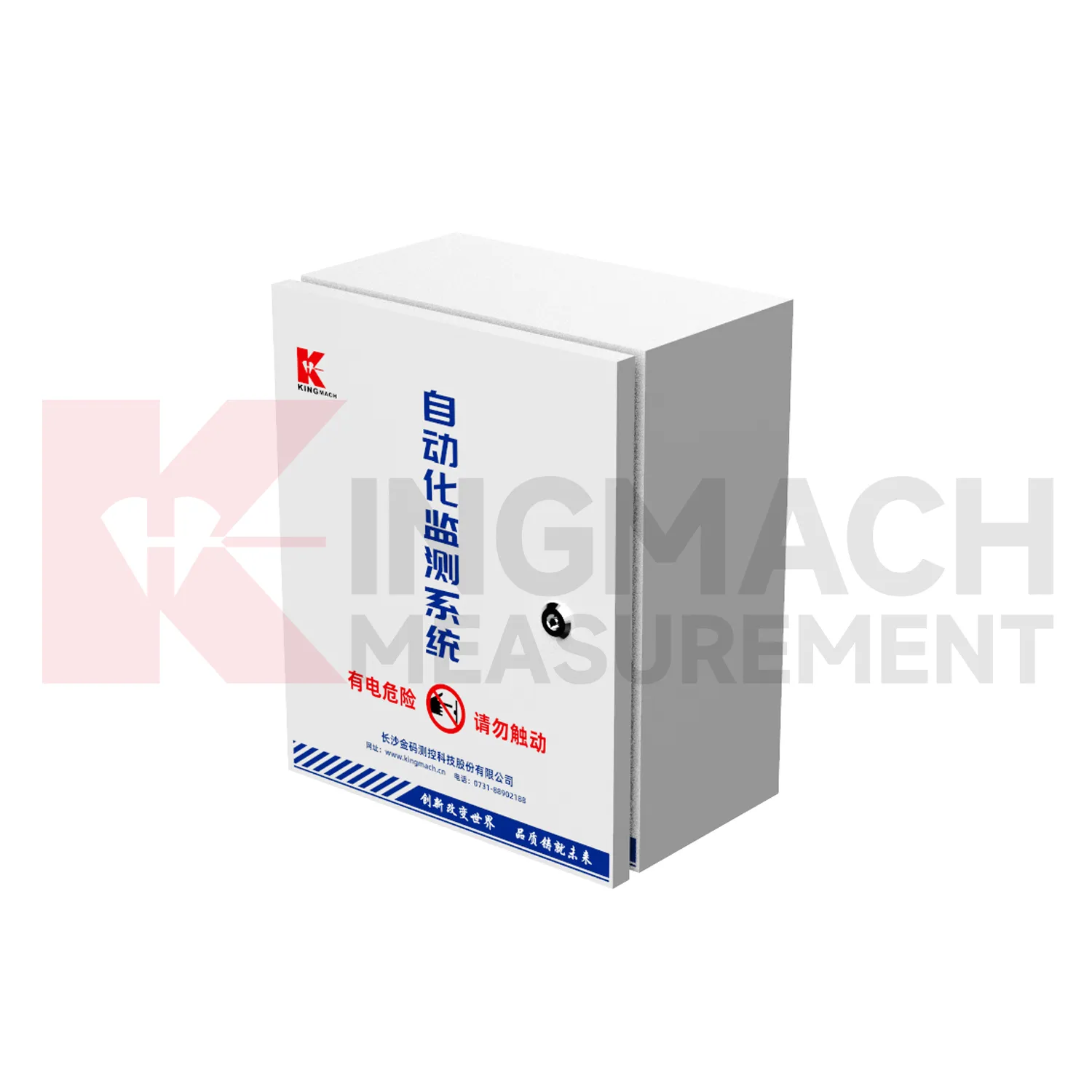
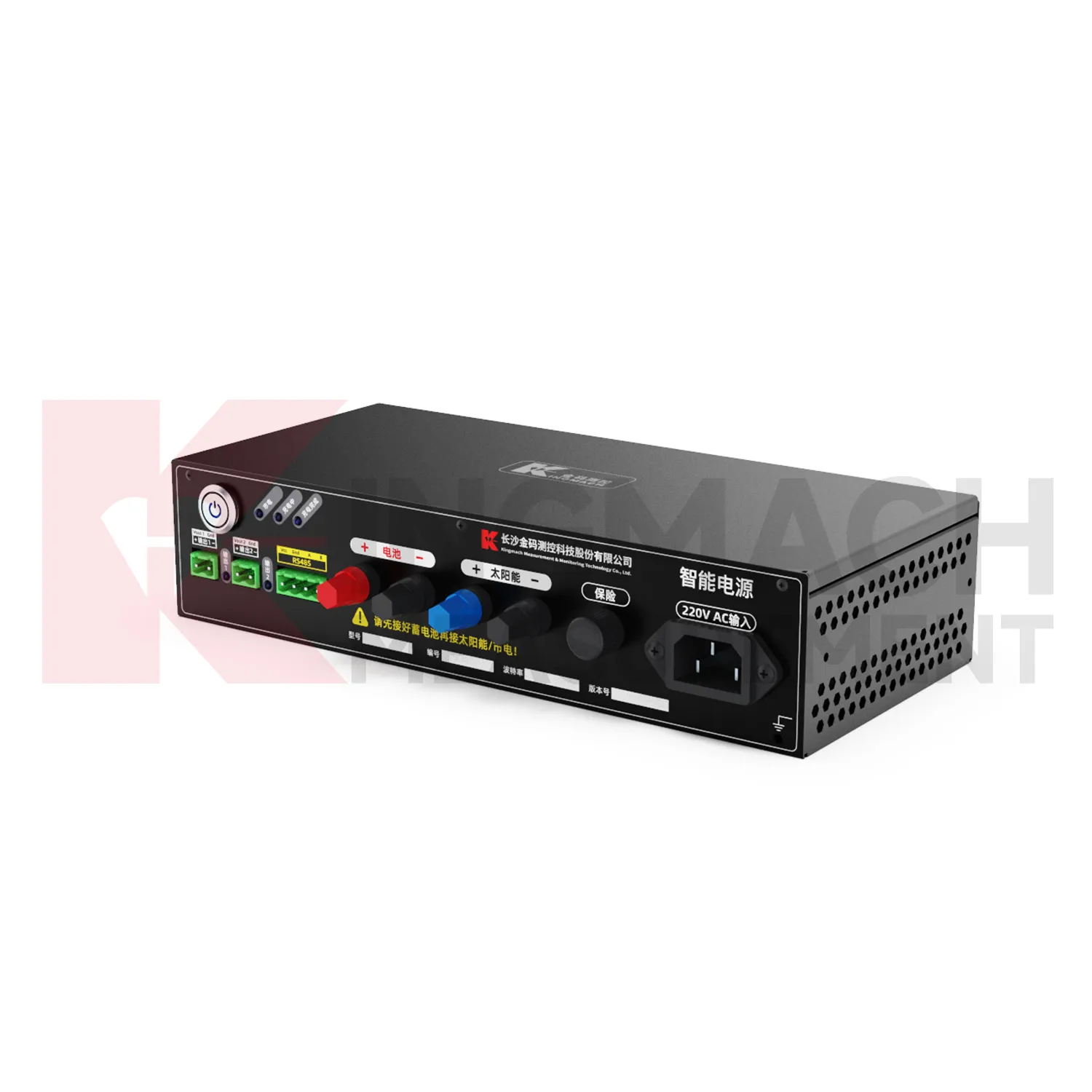
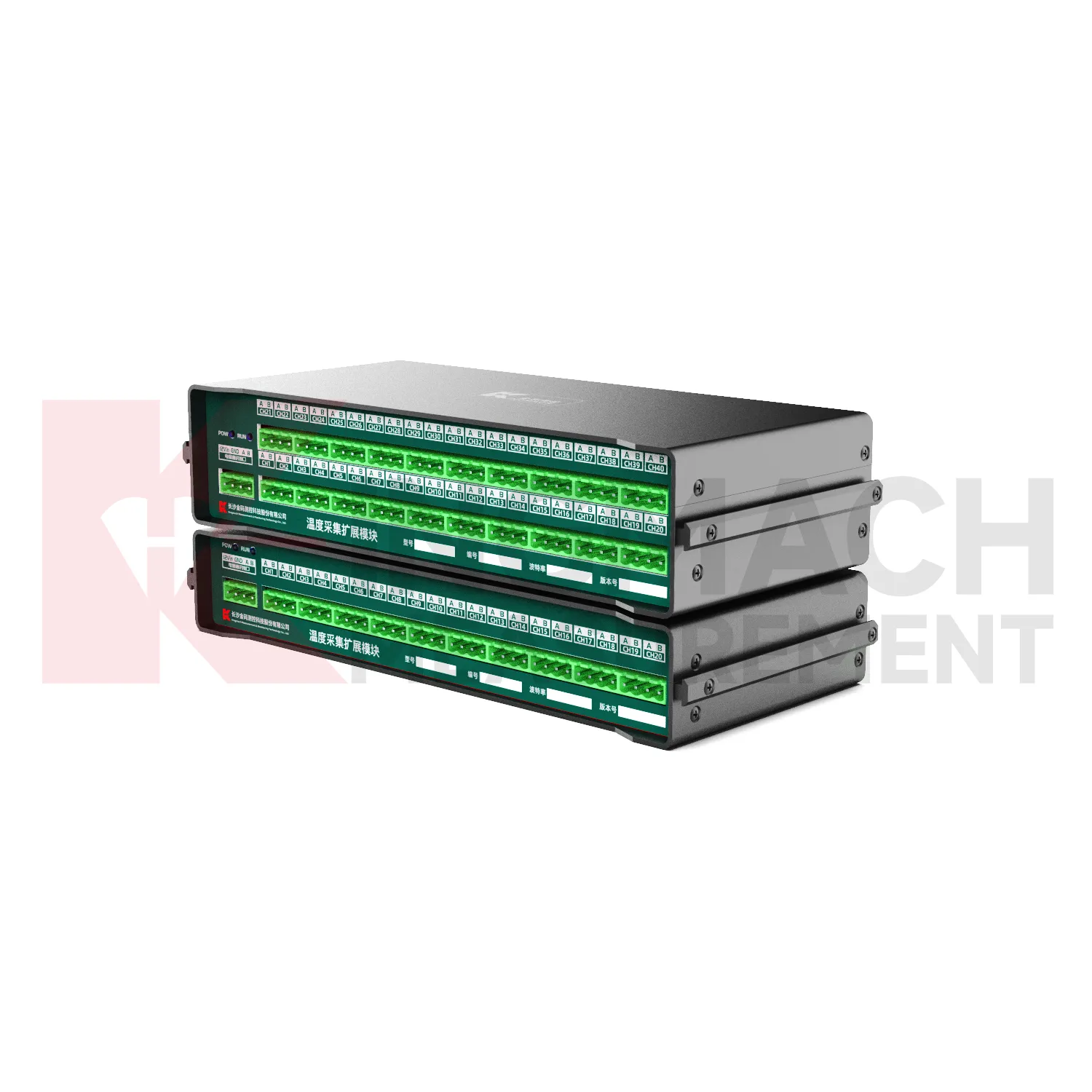
Temperature Acquisition Expansion Module JMWT-XXRTH
View DetailsFAQ
Most common geotechnical sensors—vibrating wire piezometers, strain gauges, load cells, and resistive temperature devices are all supported. If you have a specific sensor model in mind, their team can confirm compatibility and pre-load the right compensation curve.
Factory presets are locked to prevent accidental changes, but you can request field-adjustable versions for validation or site-specific recalibration. For that, you'll need to provide the intended adjustment range during ordering.
The signal processing adds microseconds to tens of microseconds, which is negligible for geotechnical sampling rates—even at 50 Hz you won't see a practical delay. The output updates in sync with each measurement cycle.
Yes, Kingmach regularly ships modules with customer-specified connectors. Just share a pinout drawing during the quotation stage, and they'll handle the wiring to match their inline housing.
Very little. An annual visual inspection of the cable seals and a bench check of the temperature reading against a reference thermometer is usually enough. The sealed housing and solid-state electronics are designed to be maintenance-free for the long haul.
Share your product type, target capacity, and application requirements. Our team can review the details and recommend a practical next step.
If you are interested in our products or want to become our partner.
Please leave your contact information, our team will contact you as soon as possible.
Mail: [email protected]
Contact Us: +8613808434127
Address: No. 188 Tongzipo West Rd, Changsha, Hunan, China