
 EN
EN
 ar
ar bg
bg hr
hr cs
cs da
da nl
nl fi
fi fr
fr de
de el
el hi
hi it
it ko
ko no
no pl
pl pt
pt ro
ro ru
ru es
es sv
sv tl
tl iw
iw id
id lv
lv lt
lt sr
sr sk
sk sl
sl uk
uk vi
vi et
et hu
hu th
th tr
tr fa
fa ms
ms hy
hy ka
ka ur
ur bn
bn mn
mn ta
ta kk
kk uz
uz ku
ku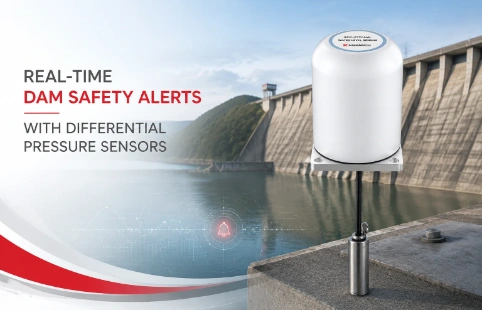
Real-Time Dam Safety Alerts with Differential Pressure Water Level Sensors
Key Takeaways An alert chain needs more than a sensor: define field in...

Precision Load Cell Sensors for Demanding Projects
When a sensor’s accuracy drifts by just 0.5%, a tunnel support system might be misjudged as safe. In geotechnical monitoring, load cell precision sensors aren’t optional—they’re the difference between catching a problem early and facing a costly failure. Kingmach has spent years refining these sensors to work in real-world conditions: damp boreholes, vibrating machinery, and long-term embedment. Rather than relying on lab-spec numbers, our focus is on repeatability and stability under field stress. That means temperature-compensated designs, robust sealing, and signal conditioning that holds up over months of data logging. Whether you’re monitoring anchor forces, pile loads, or structural compression, the sensor’s output should be something you can trust without constant recalibration. We’ve delivered load cell precision sensors to projects across Southeast Asia and the Middle East, often customizing mounting and cable lengths to fit tight specifications. This page walks through what makes a precision load cell work in practice—and where Kingmach fits into that picture.
Technical Detail
A load cell precision sensor converts force into an electrical signal, but the challenge is doing so consistently when temperatures swing and moisture seeps in. Kingmach addresses this with fully welded stainless steel housings and proven strain gauge technology. Our sensors typically offer accuracy classes within 0.1% to 0.25% of full scale, depending on the model, with load capacities ranging from a few tons to over a thousand tons. Venting tubes and surge protection are standard on deep-soil installations, minimizing drift. For tunnel lining and retaining wall monitoring, we often supply center-hole load cells that fit around anchor tendons, avoiding any interruption to construction. Each sensor leaves the factory with a calibration certificate traceable to national standards, but the real value comes from the support afterward. If you’re integrating with data loggers from other brands, our engineers can walk you through the wiring and scaling. We also keep a flexible stock of common accessories like bearing plates and cable splices. Customization is routine here—non-standard thread sizes, longer cables, or modified full scales don’t require a new development project. The goal isn’t just to sell a component; it’s to make sure the load cell precision sensor performs as expected when it’s buried in concrete or bolted to a steel frame, five years down the line.
News
Key Takeaways An alert chain needs more than a sensor: define field in...
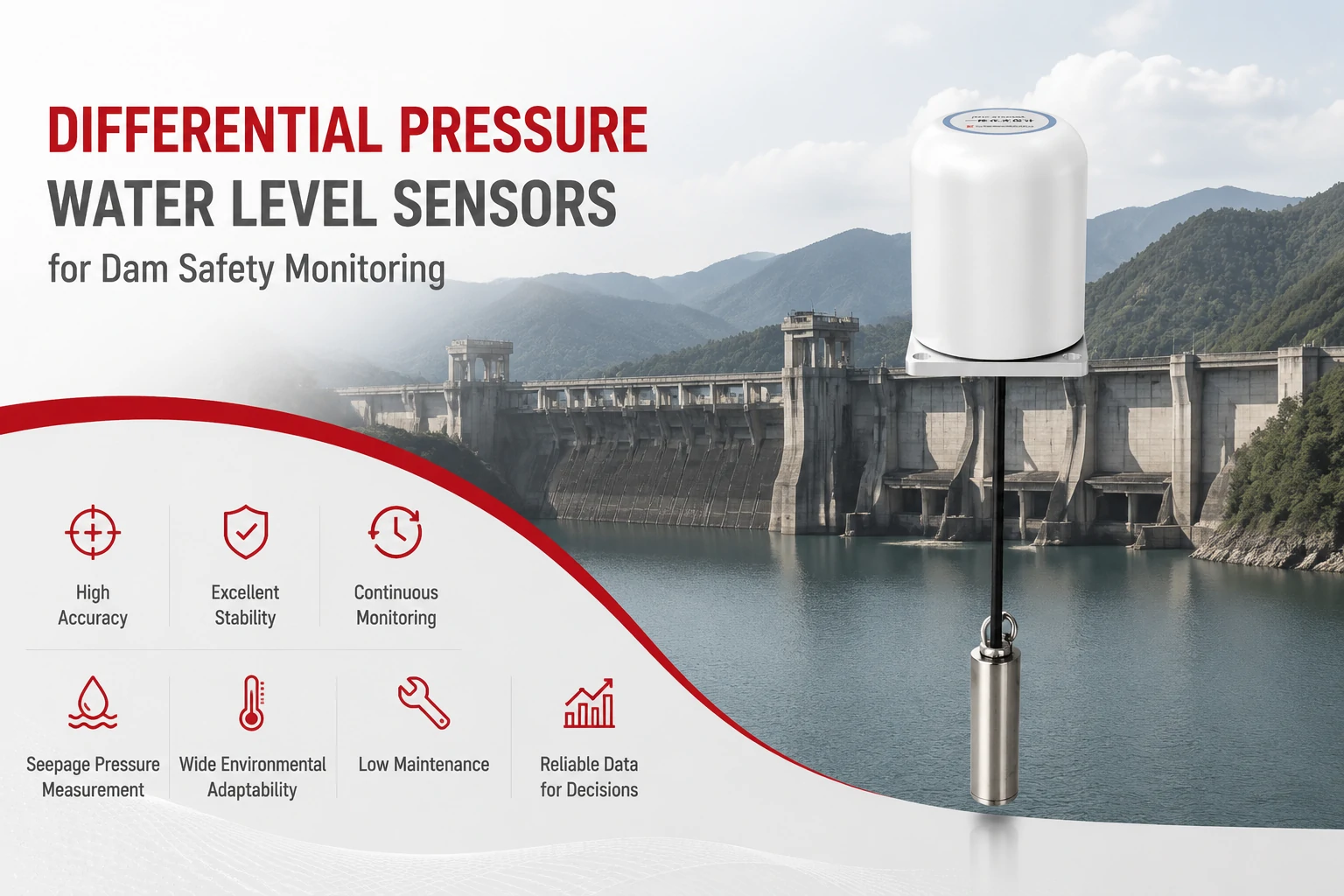
Key Takeaways The strongest fit is usually a confined, submerged, or s...
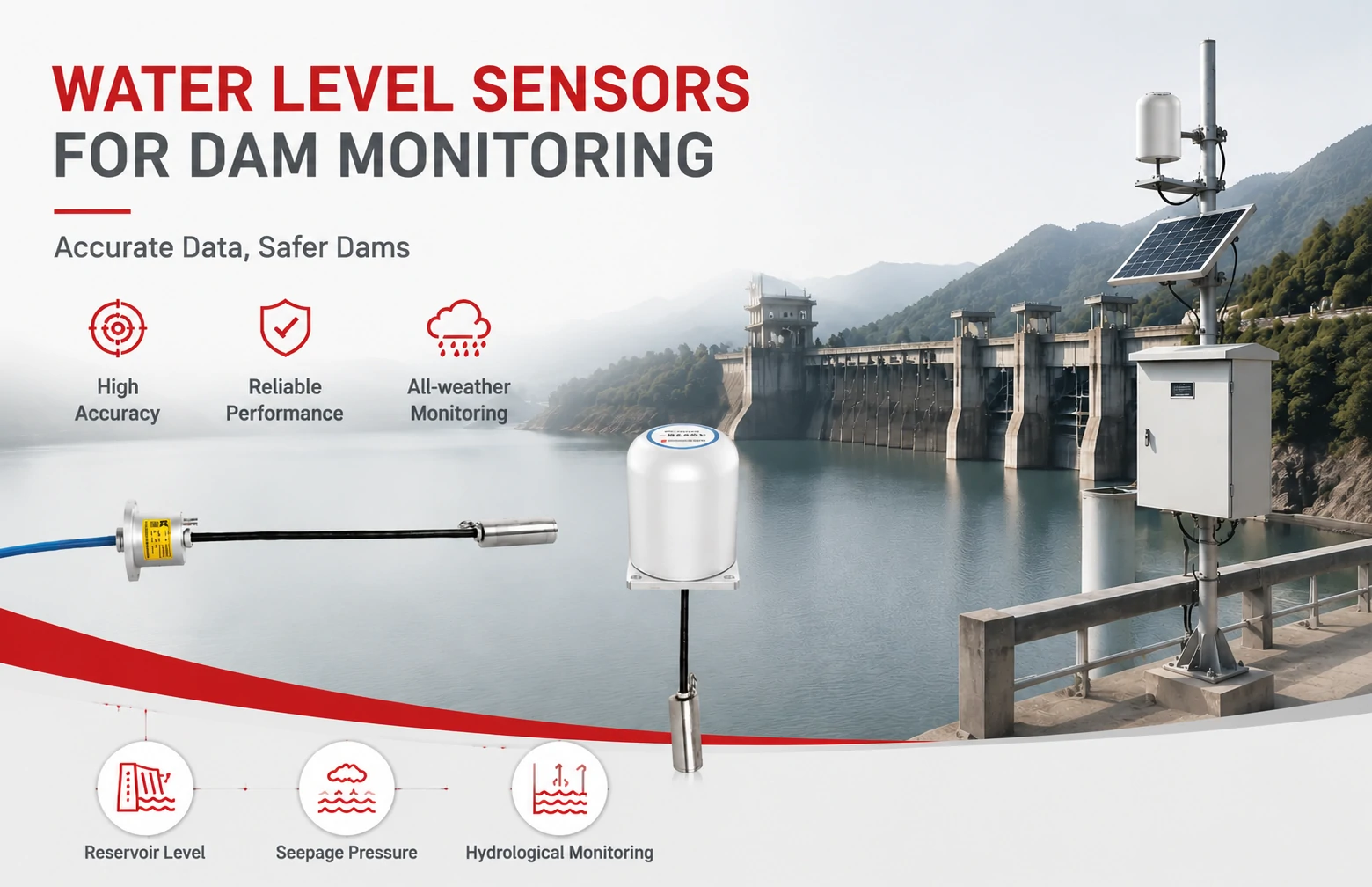
Kingmach Water Level Sensors for Dam Monitoring: A Buyer's Guide to Differential Pre...
Products
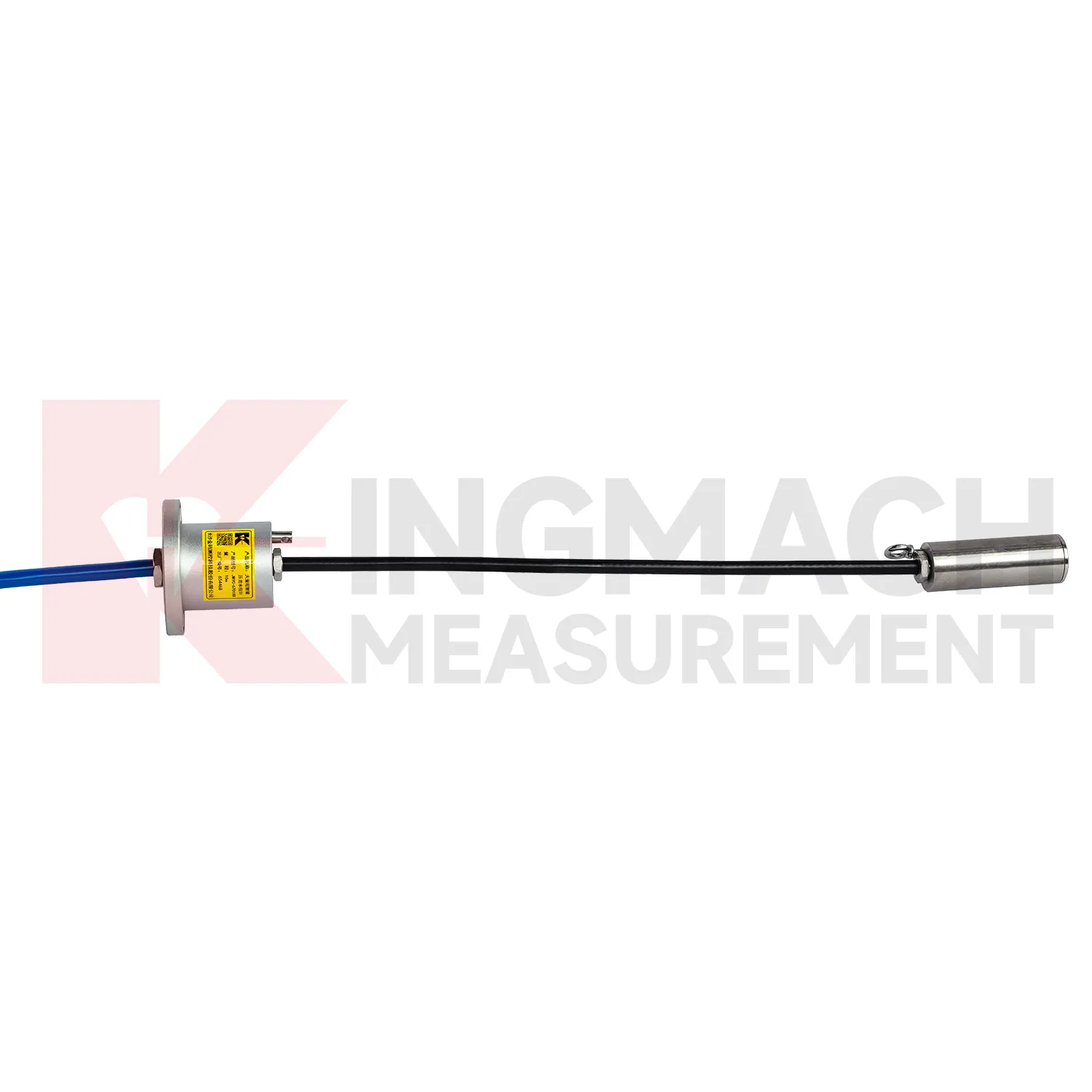
Wide-Range Smart Differential Pressure Water Level Meter JMYC-67XXAD
View Details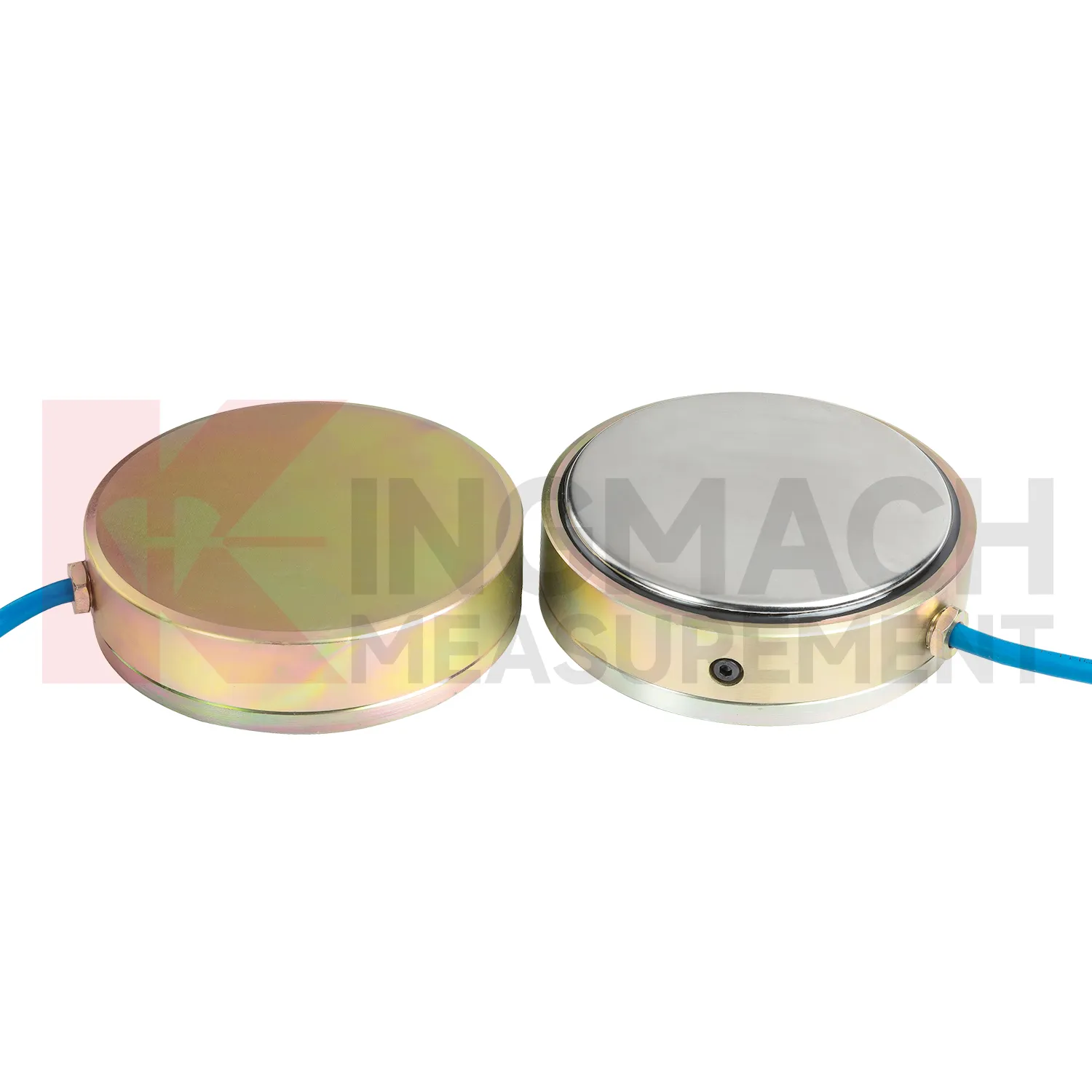
Large Earth Pressure Cell ( VW & Smart Type) JMZX-51XXAT/ ATM
View Details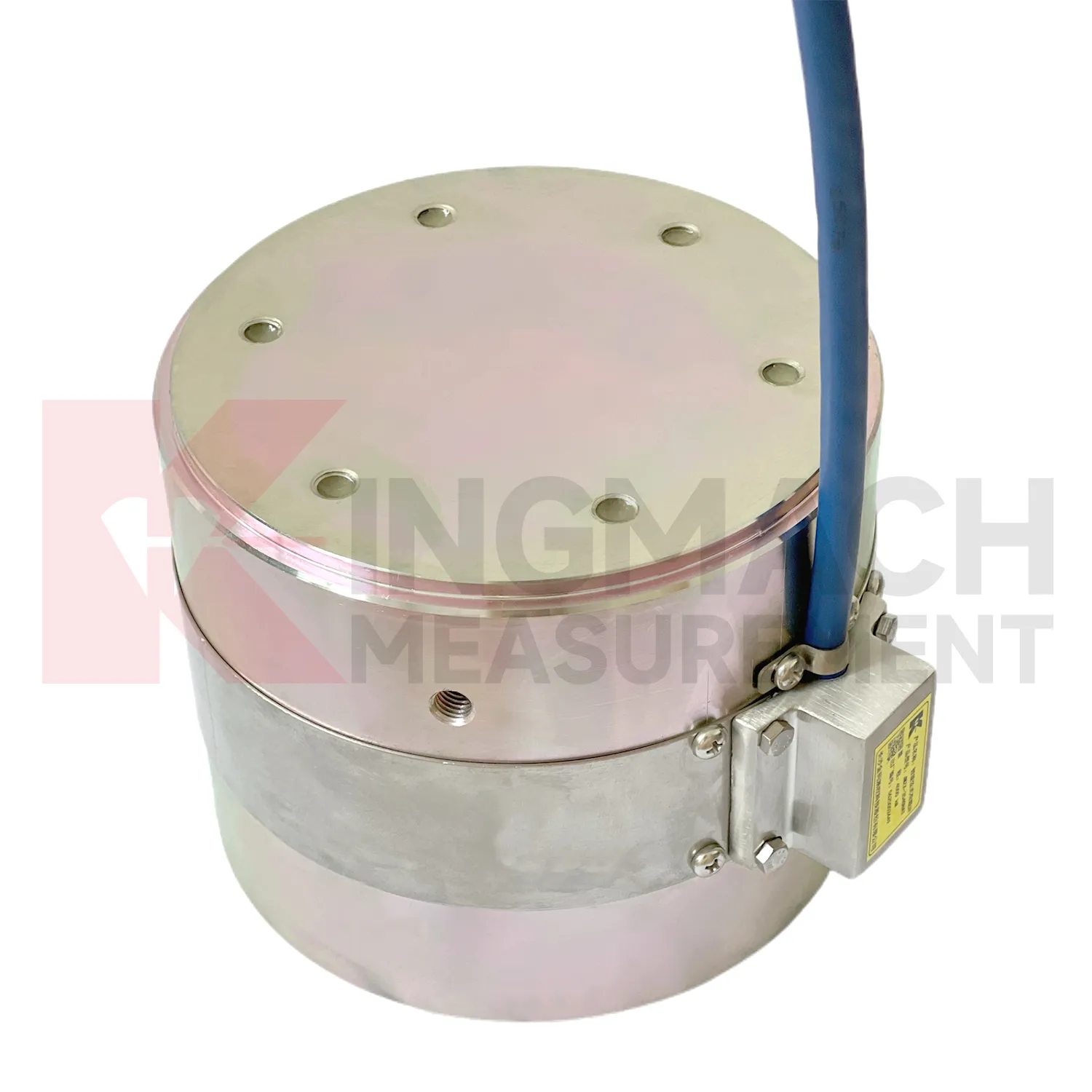
Solid load cell JMZX-34XXHAT、35XXHAT、36XXHAT
View DetailsFAQ
Most of our sensors fall between 0.1% and 0.25% of full scale, depending on the configuration. For long-term monitoring, we focus on minimizing drift rather than chasing an unrealistically tight spec on paper. If you need a specific accuracy class for compliance, let us know—we can adjust the amplifier and gage selection accordingly.
Yes, we seal the gauges and cavity with welding and potting compounds rated for submerged conditions. For deep applications, we also add a vent tube to equalize barometric pressure. Provide the expected water head and we’ll confirm the sealing method before quotation.
If you’re monitoring tension in an anchor or bolt, a center-hole design lets you pass the tendon through the sensor. For compression-only applications like pile testing, a solid-style load cell may be more economical. In both cases, we can advise on sizing based on the expected load range and the physical clearance you have.
Standard output is millivolt per volt (mV/V), compatible with most geotechnical dataloggers. We also offer 4-20 mA or digital outputs if you’re connecting directly to a PLC. Let us know what your readout system expects, and we’ll match the output during production.
Every sensor is calibrated before dispatch and comes with a certificate. We regularly ship to Southeast Asia, the Middle East, and parts of Africa. Our logistics team handles the customs paperwork, and we’re used to working with remote project sites where delivery timing is critical.
Share your product type, target capacity, and application requirements. Our team can review the details and recommend a practical next step.
If you are interested in our products or want to become our partner.
Please leave your contact information, our team will contact you as soon as possible.
Mail: [email protected]
Contact Us: +8613808434127
Address: No. 188 Tongzipo West Rd, Changsha, Hunan, China