
 EN
EN
 ar
ar bg
bg hr
hr cs
cs da
da nl
nl fi
fi fr
fr de
de el
el hi
hi it
it ko
ko no
no pl
pl pt
pt ro
ro ru
ru es
es sv
sv tl
tl iw
iw id
id lv
lv lt
lt sr
sr sk
sk sl
sl uk
uk vi
vi et
et hu
hu th
th tr
tr fa
fa ms
ms hy
hy ka
ka ur
ur bn
bn mn
mn ta
ta kk
kk uz
uz ku
ku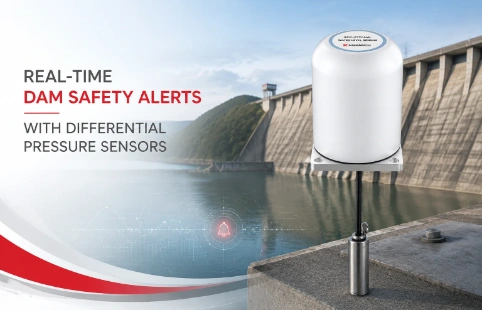
Real-Time Dam Safety Alerts with Differential Pressure Water Level Sensors
Key Takeaways An alert chain needs more than a sensor: define field in...

Load Cells Calibration That Actually Works in the Field
Most load cell problems trace back to installation and calibration, not the sensor itself. A shift in zero balance, a drifting signal – it's usually something you can fix on site without a lab. But calibration manuals often skip the messy reality: uneven mounting surfaces, temperature swings, cable routing that tugs at the connector. This guide skips the fluff. We'll walk through a straightforward calibration sequence, highlight the gotchas that sneak up even on seasoned techs, and explain when it's time to send a unit back for factory recalibration. Whether you're weighing silos, monitoring anchor loads, or setting up a test rig, the goal is the same: numbers you can stake your decision on. Kingmach has been supplying load cells and geotechnical instruments for projects that range from simple to custom, and we've seen what makes a calibration stick versus one that drifts within days.
Technical Detail
A solid calibration starts with a clean, stable setup. First, mount the load cell exactly as it will be used – any mock-up that changes the load path changes the calibration. Use a calibrated reference standard, ideally one with traceable certification. For a tension load cell, hang known weights in at least five increments from zero to full scale, record the output at each step, and then back down. Plot the loading and unloading curves; they should be close. Hysteresis beyond the spec sheet suggests a mechanical bind or loose mounting hardware. For compression, a hydraulic press with a calibrated reference cell is common, but watch for off-axis loading – a slight tilt can skew the reading by several percent. Temperature matters more than it gets credit for. If the load cell hasn't stabilized to ambient temperature, you're dialing in a curve that will shift when the site heats up or cools down overnight. Kingmach often supplies load cells with built-in temperature compensation, but even those need a soak time. After initial calibration, check the zero balance. A small drift is normal; a large one points to overload damage, moisture ingress, or a grounding issue in the signal cable. Speaking of cables: routing them near power lines or VFDs invites noise that looks like calibration error. Shield termination at one end only is standard, but in harsh EMI environments, a differential signal conditioner helps. Once the calibration curve is set in your indicator or PLC, run a few verification points with a different set of weights if possible. That catches linearity assumptions that break down at the extremes. Document the as-left calibration data and schedule a recheck based on the application's criticality – a load cell on a safety-related anchor might need quarterly verification, while one in a batch weighing system can go six months if the process is stable. Kingmach's engineering team often walks customers through field calibration over a video call; sometimes a second pair of eyes spots the missing detail. The takeaway: good calibration isn't about expensive gear, it's about method and attention to the physical setup.
News
Key Takeaways An alert chain needs more than a sensor: define field in...
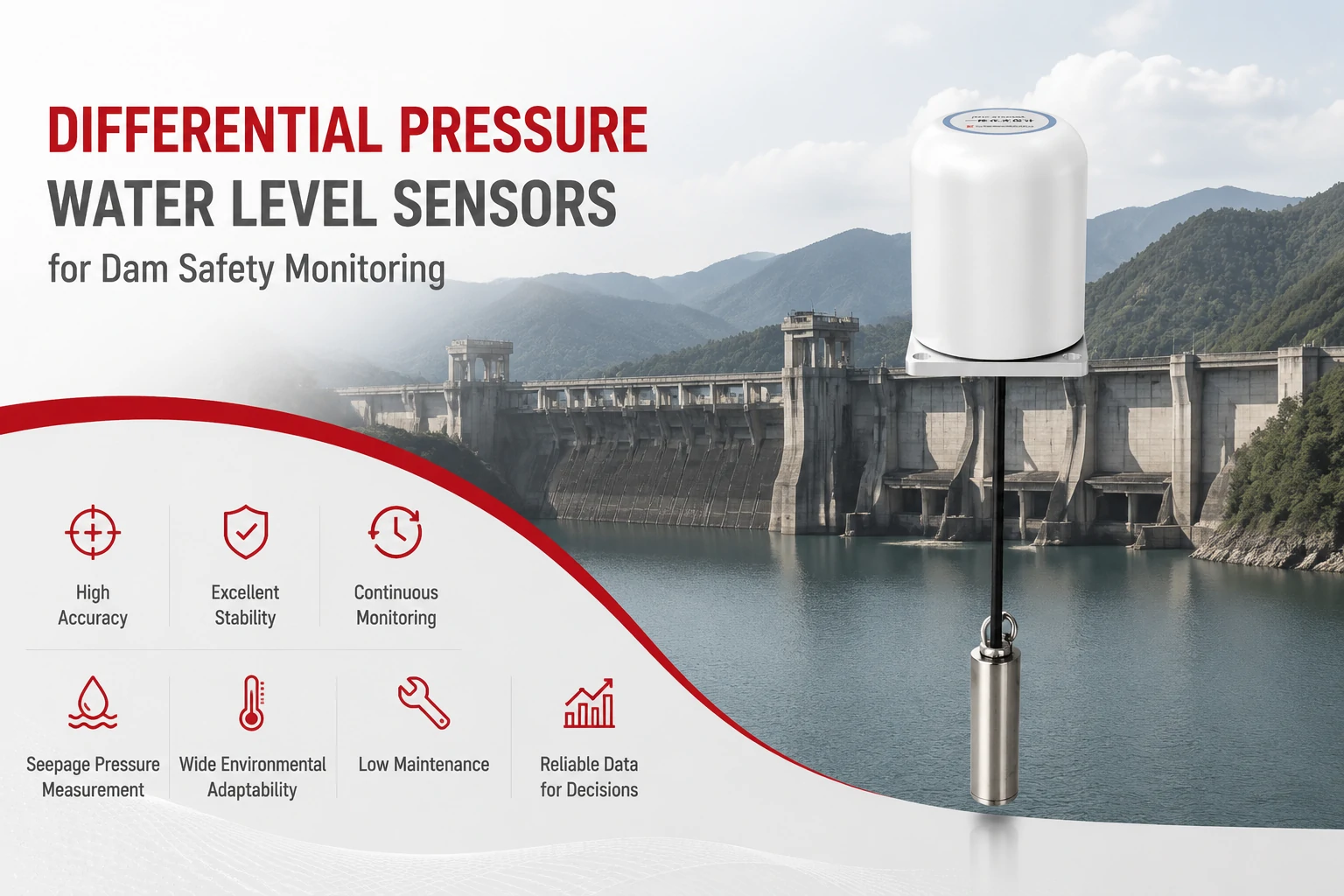
Key Takeaways The strongest fit is usually a confined, submerged, or s...
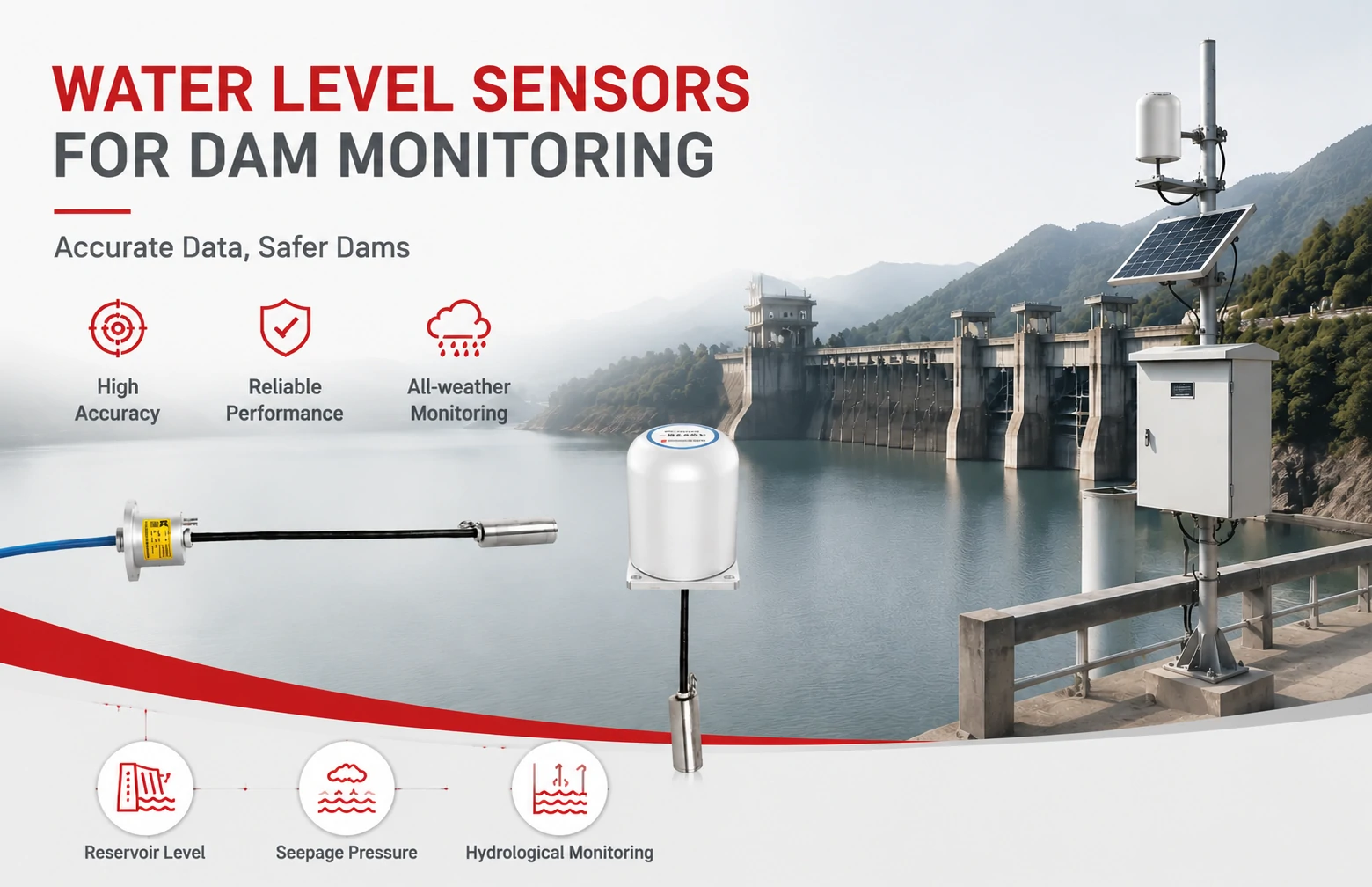
Kingmach Water Level Sensors for Dam Monitoring: A Buyer's Guide to Differential Pre...
Products
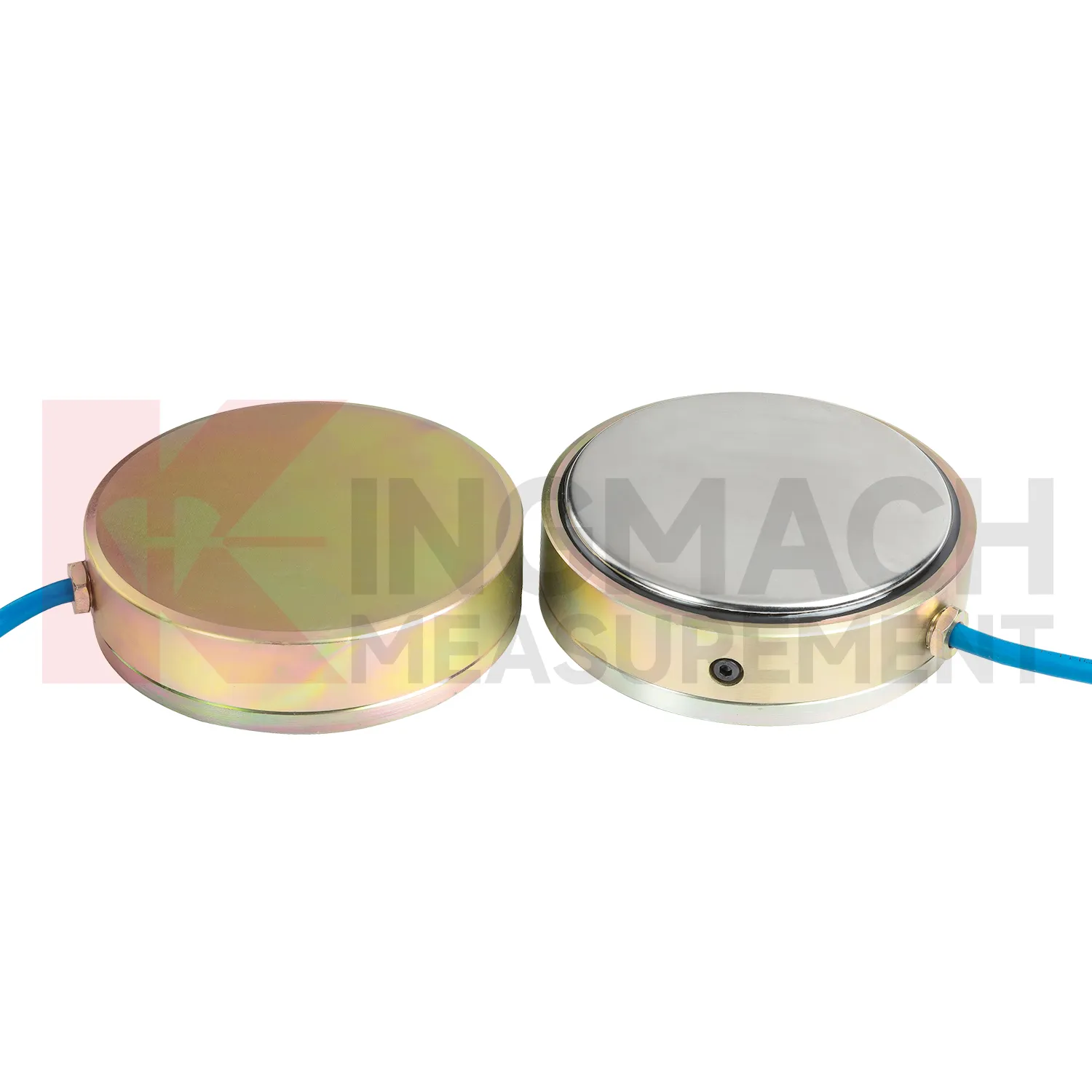
Large Earth Pressure Cell ( VW & Smart Type) JMZX-51XXAT/ ATM
View Details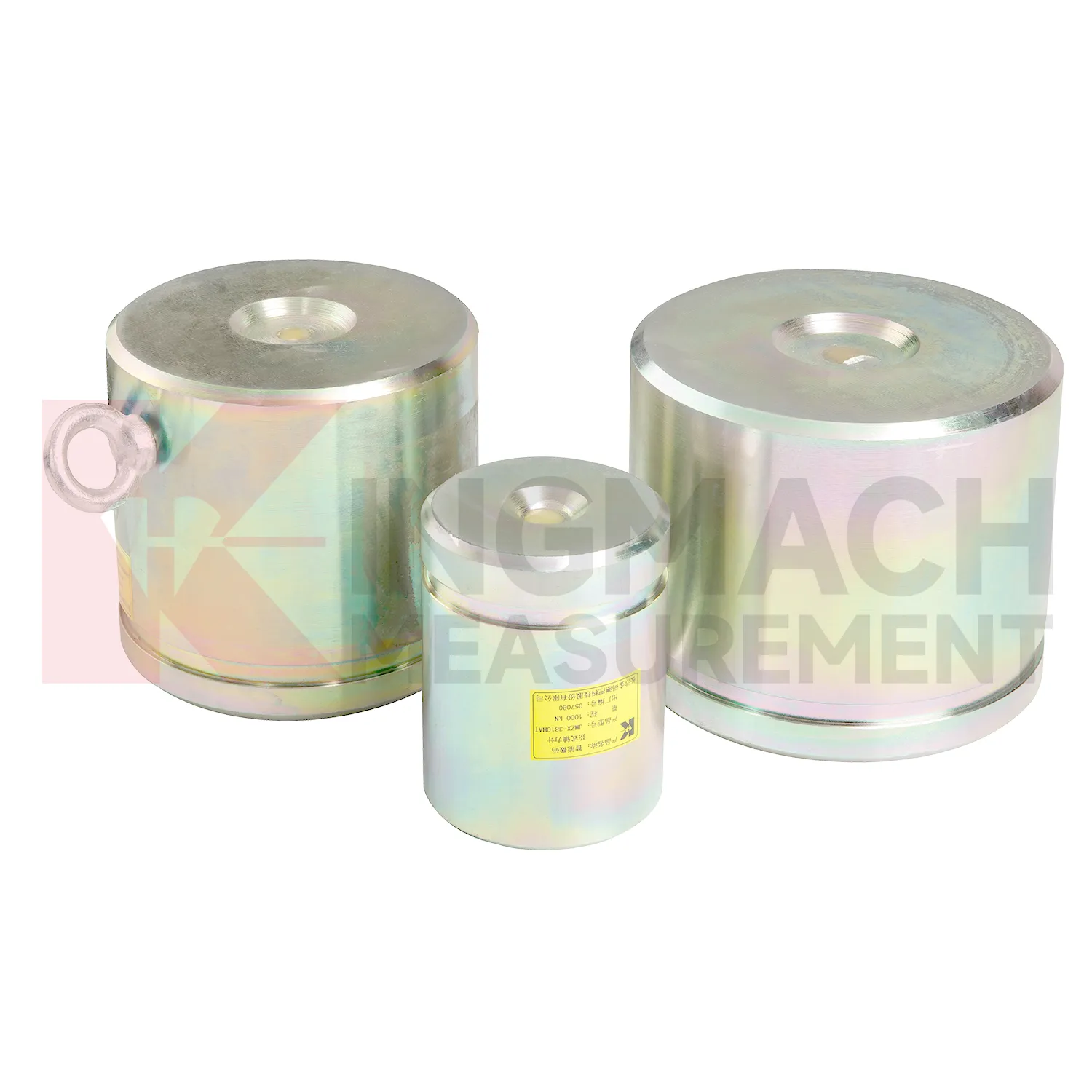
Axial Force Load Meter ( VW & Smart Type)JMZX-38XXHAT
View Details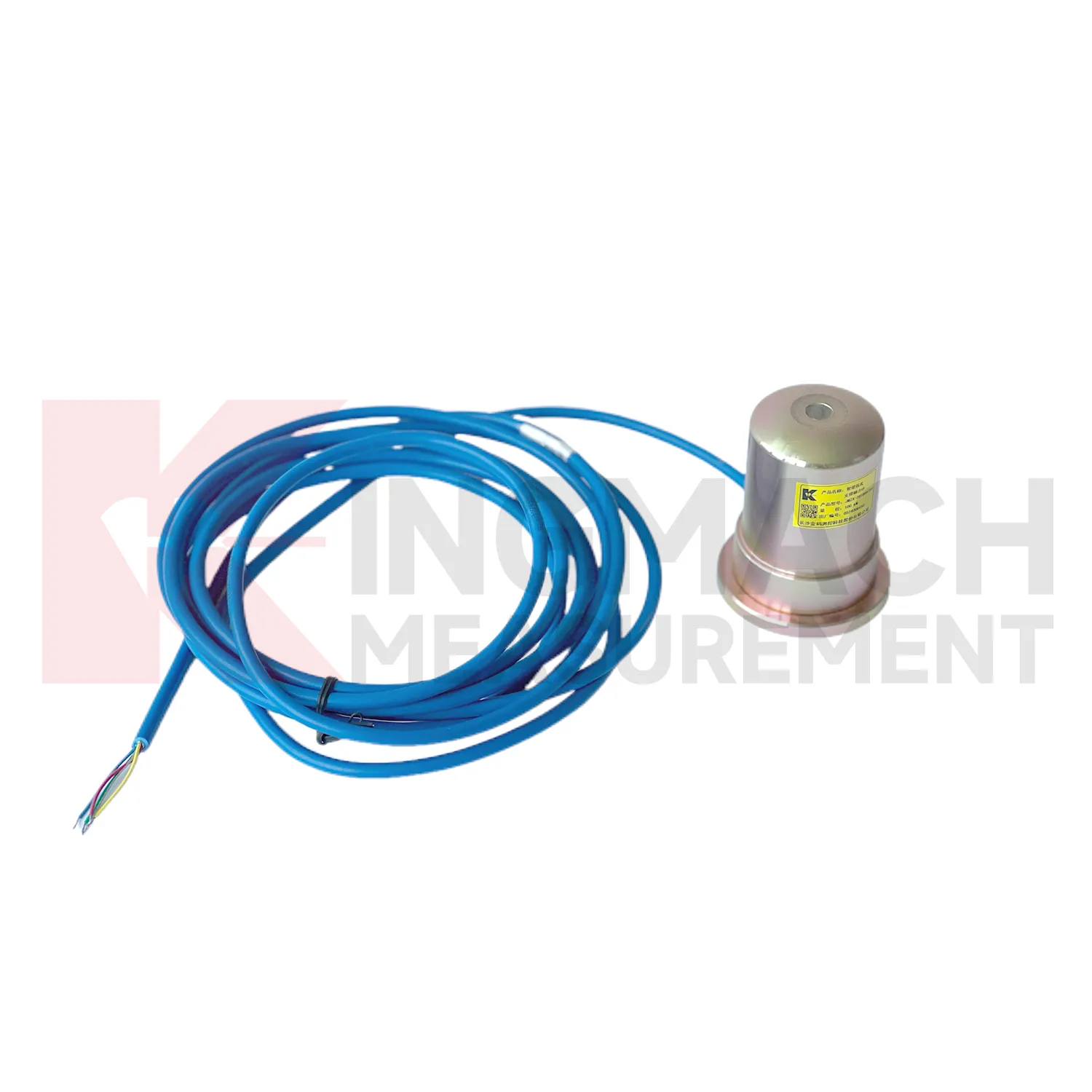
Smart Formwork Axial Force Meter(VW)JMZX-39XXHAT
View DetailsFAQ
It depends on the usage intensity and environment. For static weighing in a clean, temperature-controlled setting, once a year is typical. For dynamic loads, high cycles, or outdoor installations exposed to temperature swings, check every 3–6 months. If the load cell sees occasional overloads or the signal drifts between shutdowns, shorten the interval.
Yes, if you have a way to apply known loads. A calibrated load cell used as a reference works in a hydraulic press setup, but you need to ensure axial alignment. For smaller cells, hanging certified weights is straightforward. What matters is that the reference standard has a valid calibration certificate and the uncertainty fits your application.
A few common culprits: the load cell wasn't fully seated, mounting bolts loosened, the cable is being pulled or twisted, moisture got into the connector, or the cell was overloaded just enough to cause a permanent set. Temperature changes can also shift zero if the cell's compensation isn't matched to the field conditions.
That's usually a sign of off-center loading or a mounting surface that isn't flat. The load cell's sensitive axis must be aligned with the force vector. Even a slight angular misalignment introduces a cosine error. Check with a bubble level and machine shims if needed. In some cases, a damaged strain gauge area from a past overload can cause directional sensitivity.
Yes, we often assist our customers remotely with calibration setup. We can recommend the right reference standards, walk you through the wiring and signal conditioning, and review your calibration curve. For specialized projects, we also offer custom load cell configurations with embedded calibration data accessible via TEDS or a simple wiring code.
Share your product type, target capacity, and application requirements. Our team can review the details and recommend a practical next step.
If you are interested in our products or want to become our partner.
Please leave your contact information, our team will contact you as soon as possible.
Mail: [email protected]
Contact Us: +8613808434127
Address: No. 188 Tongzipo West Rd, Changsha, Hunan, China