
 EN
EN
 ar
ar bg
bg hr
hr cs
cs da
da nl
nl fi
fi fr
fr de
de el
el hi
hi it
it ko
ko no
no pl
pl pt
pt ro
ro ru
ru es
es sv
sv tl
tl iw
iw id
id lv
lv lt
lt sr
sr sk
sk sl
sl uk
uk vi
vi et
et hu
hu th
th tr
tr fa
fa ms
ms hy
hy ka
ka ur
ur bn
bn mn
mn ta
ta kk
kk uz
uz ku
ku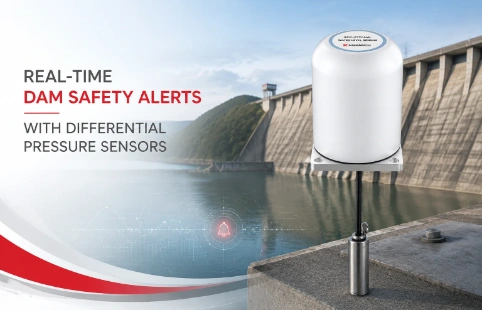
Real-Time Dam Safety Alerts with Differential Pressure Water Level Sensors
Key Takeaways An alert chain needs more than a sensor: define field in...

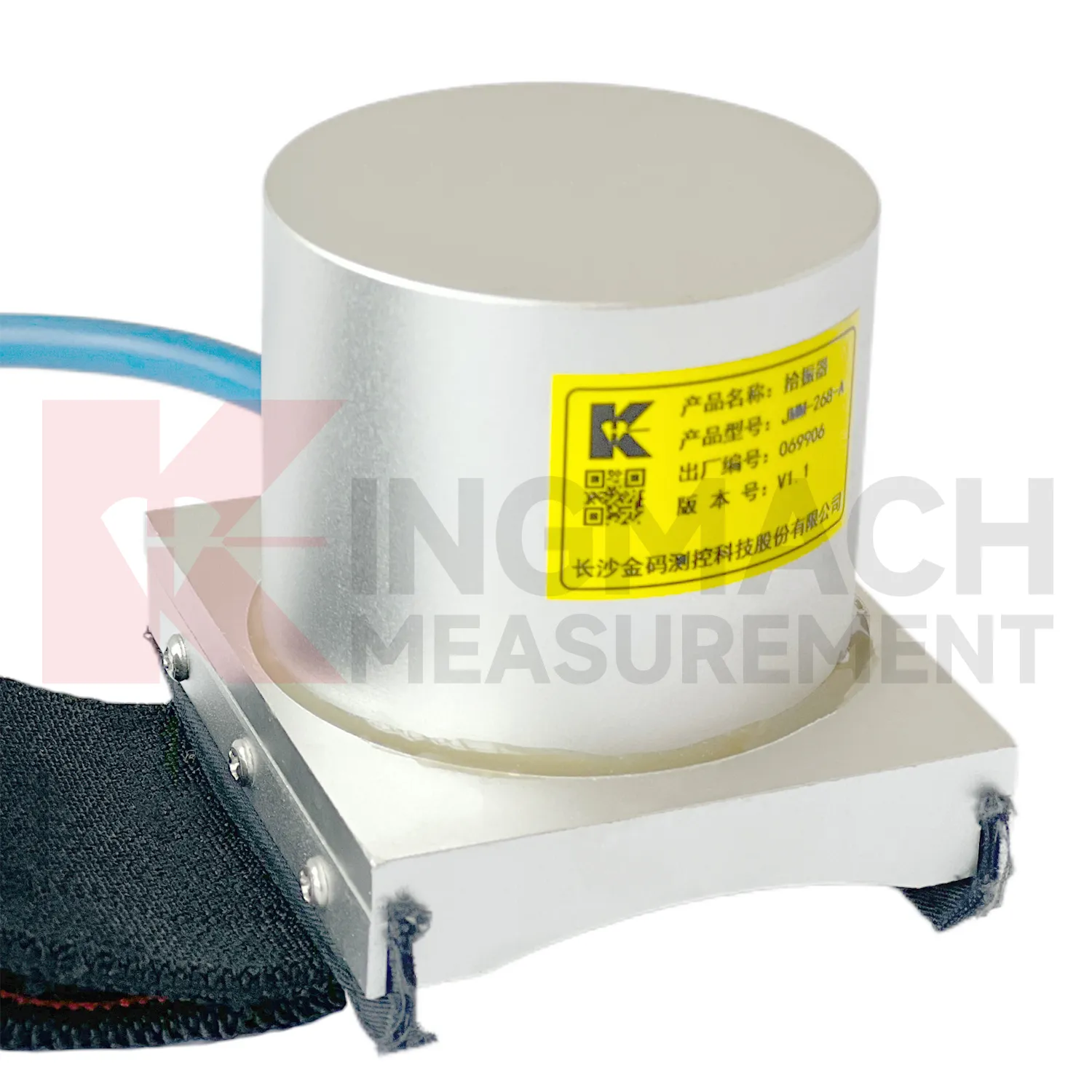
Industrial Piezo Electric Accelerometer | Kingmach
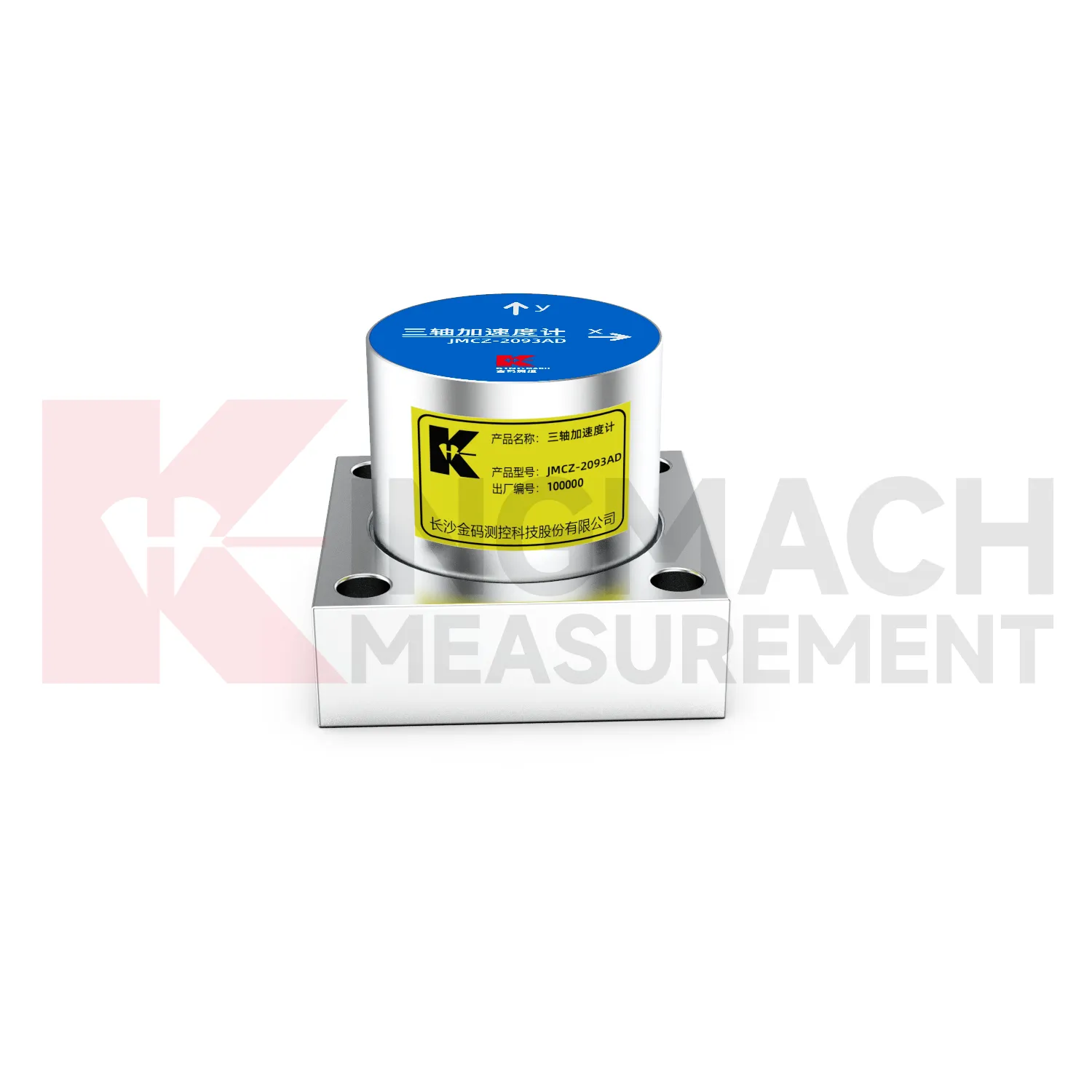
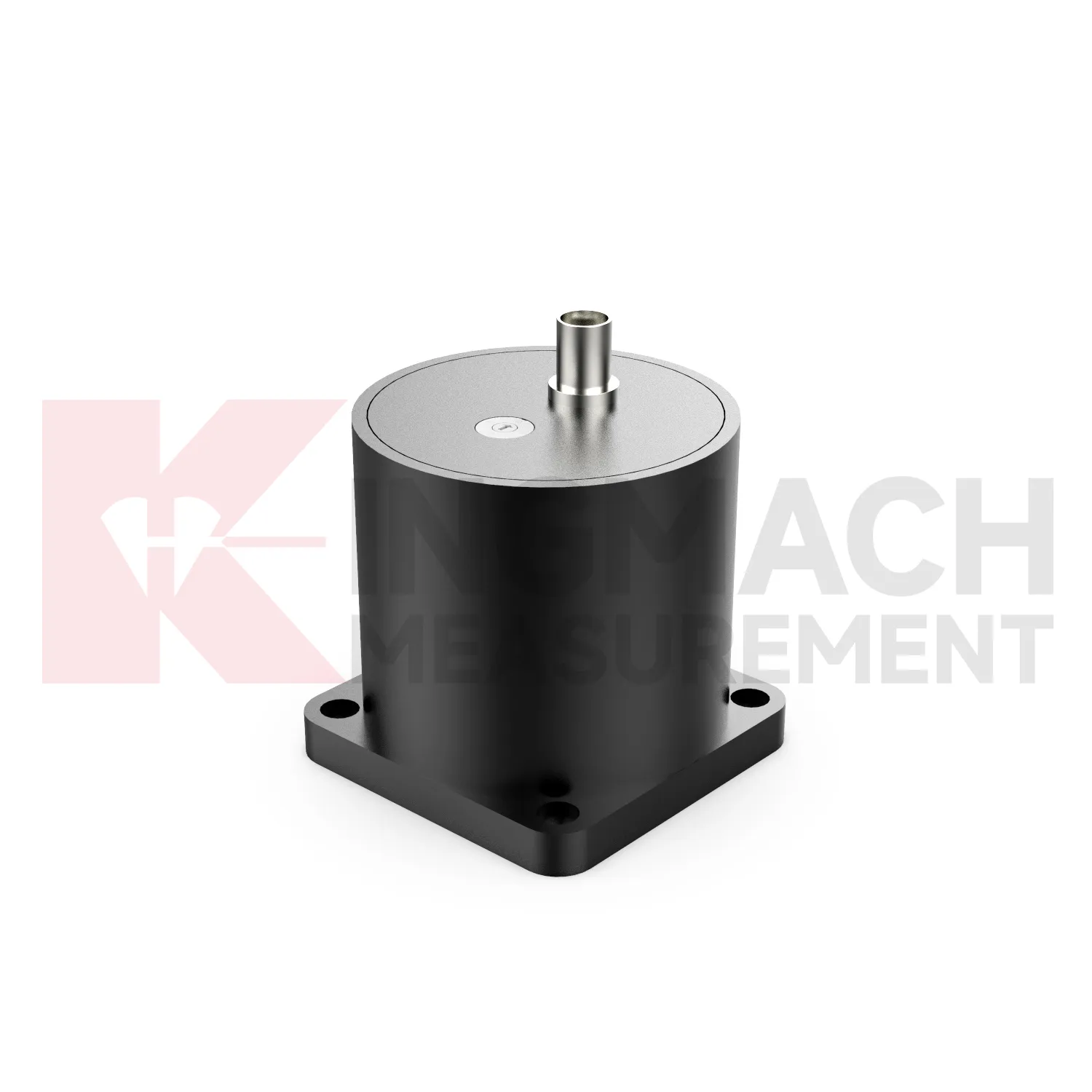
Vibration tells you what’s happening inside a machine before you can see it. For maintenance teams and monitoring engineers, that early signal often comes from a piezo electric accelerometer—a sensor that converts mechanical motion into electrical charge without external power. Kingmach supplies these accelerometers as part of its geotechnical and monitoring instrument line, with a focus on practical performance and field support. Our range covers single-axis and triaxial models, with sensitivity and frequency response suited for condition monitoring, modal analysis, and product testing. While we don’t list every variant here, the team regularly configures sensors to match specific cable lengths, connector types, and mounting accessories. If you’re already using data acquisition systems, we can help you match the right output signal and bias voltage. Orders ship through our global distributor network, and our application engineers can walk you through installation or troubleshooting—whether you’re setting up a single sensor or an entire array.
Technical Detail
Piezo electric accelerometers work on the principle of generating charge under mechanical stress, which means they don’t need external power for the sensing element. That makes them reliable for continuous vibration monitoring on motors, pumps, gearboxes, and structural health applications. At Kingmach, we embed these sensors in a stainless-steel housing with hermetic sealing—standard for most industrial-grade units—to keep out moisture and dust. Typical sensitivity values fall between 10 and 100 mV/g, and frequency ranges often span from 1 Hz to 10 kHz, depending on the design. Our catalog covers general-purpose and high-temperature versions (up to 150 °C with charge-mode output). You’ll also find options for hazardous areas if you let us know the required certification. Because we manufacture our own instruments, we can fine-tune the mounting thread, cable exit direction, or even the low-frequency cutoff to reduce unnecessary noise from temperature swings. This flexibility matters when you’re retrofitting older machinery or integrating with a specific monitoring platform. We back the hardware with a standard warranty and a support team that answers technical questions directly—not just reading from a script. For large projects, we can arrange on-site training or remote diagnostics. Since Kingmach serves over 80 countries through its distributor network, spare sensors and calibration services are accessible without long lead times. If you’re comparing options, request our selection guide or send us your vibration profile; we’ll suggest a practical, cost-conscious configuration instead of the most expensive model.
News
Key Takeaways An alert chain needs more than a sensor: define field in...
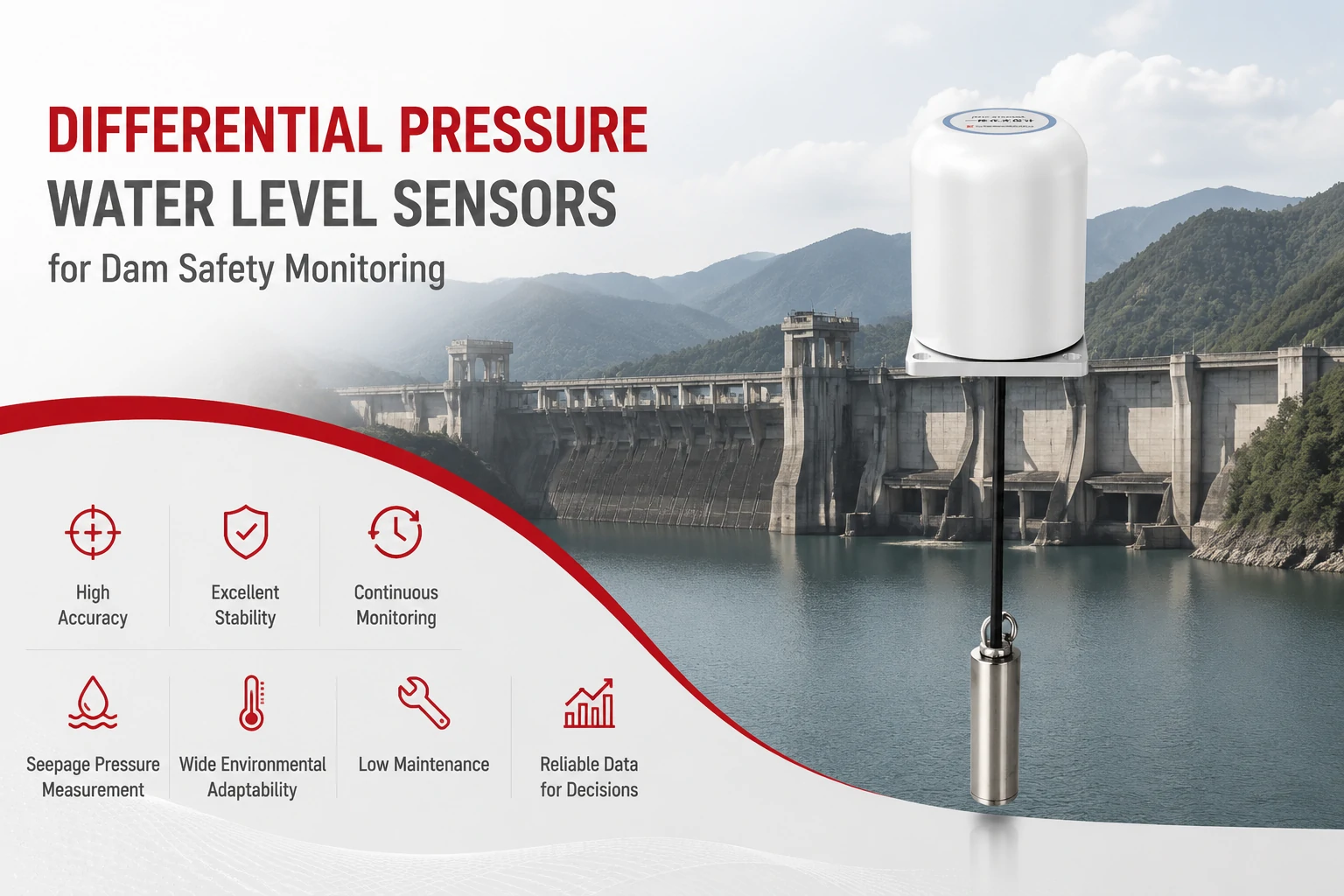
Key Takeaways The strongest fit is usually a confined, submerged, or s...
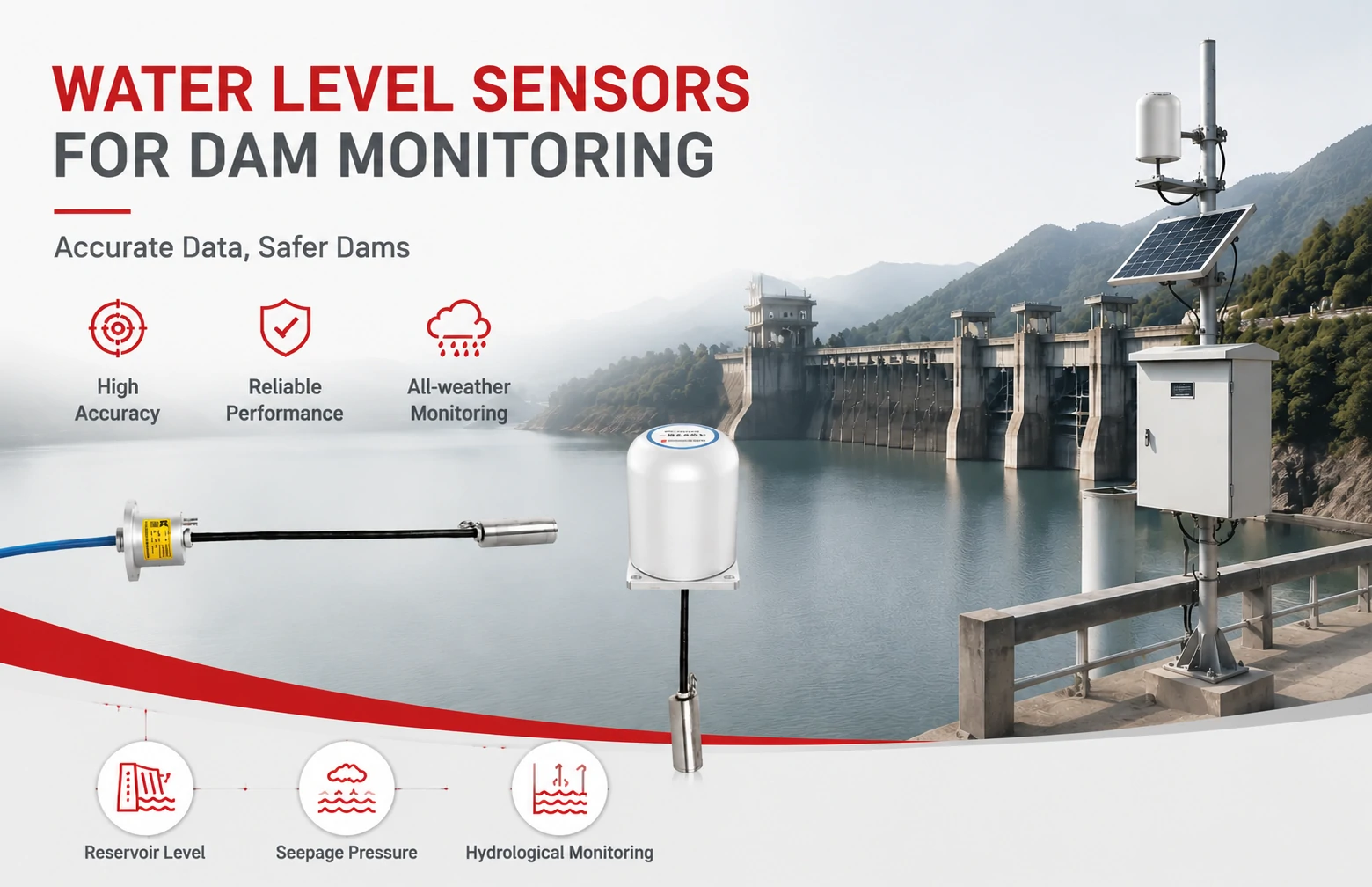
Kingmach Water Level Sensors for Dam Monitoring: A Buyer's Guide to Differential Pre...
Products
FAQ
A piezo electric accelerometer generates its own electrical charge when a seismic mass compresses a crystal element inside. This means the sensing element requires no external power, unlike MEMS sensors that need excitation voltage. Piezo units typically handle higher temperatures and wider dynamic ranges, making them the choice for rotating machinery and shock events. MEMS chips are smaller and cheaper, but their bandwidth and noise floor don’t always match piezo specs in high-frequency applications.
It depends on what you’re measuring. For a small, high-speed motor, 10 mV/g might be enough because you expect low vibration levels. A slow-speed cooling tower fan may need 100 mV/g or even 500 mV/g to catch subtle imbalance at low frequencies. If you’re not sure, share your machine’s RPM and typical vibration displacement with our engineers; they’ll suggest a range that fits your data collector or online system.
Standard models are sealed to IP67, which means they’ll handle temporary immersion and hose-down cleaning. For permanent underwater deployment, we can configure the sensor with a polyurethane cable jacket and a secondary O-ring seal. The electronics remain in a dry nitrogen atmosphere. Let us know the depth and water chemistry so we can spec the right materials.
We don’t just ship a box and disappear. Our application engineers can help over email, video call, or phone to troubleshoot mounting resonance, cabling noise, or bias voltage mismatches with your existing DAQ. We also stock calibration references and can arrange recalibration at our service center or through local partners.
Yes, that’s a core part of our service. Besides common requests like different thread sizes or connector types, we’ve done custom low-frequency roll-offs, armored cable assemblies, and tandem housings with integrated temperature sensors. There’s no minimum order quantity for most adjustments, though lead time varies with complexity. Just tell us what you need and we’ll work out the details.
Share your product type, target capacity, and application requirements. Our team can review the details and recommend a practical next step.
If you are interested in our products or want to become our partner.
Please leave your contact information, our team will contact you as soon as possible.
Mail: [email protected]
Contact Us: +8613808434127
Address: No. 188 Tongzipo West Rd, Changsha, Hunan, China